Working from home demands more from your internet connection than casual browsing or streaming. Video calls, VPN tunnels, cloud-based applications, and large file transfers all require consistent bandwidth and low latency. Choosing the wrong plan can mean frozen Zoom screens, sluggish file uploads, and lost productivity. This guide covers exactly what remote workers need and which providers deliver it best in 2026.
Affiliate disclosure: We may earn a commission when you order through links on this page. Pricing, speeds, and availability vary by address and are subject to change; verify current terms with the provider before ordering.
Want help choosing? Talk to an internet specialist: 844-287-2645
Free consultation — compare plans and check availability at your address. No obligation.
Why Home Internet Requirements Are Different for Remote Work
Recreational internet use is mostly download-heavy: streaming video, loading web pages, downloading files. Remote work, however, requires significant upload bandwidth and consistent performance. Video conferencing sends your audio and video upstream continuously. VPN connections encrypt and tunnel all your traffic, adding overhead. Cloud applications like Google Workspace, Microsoft 365, and Slack require constant two-way data exchange.
The result: a plan that works fine for Netflix may struggle with a Teams meeting while your partner streams in the next room. Understanding the specific demands of remote work helps you choose a plan that keeps you productive.
Speed Requirements by Work Activity
Here's what different remote work activities actually require in terms of bandwidth:
Video Conferencing (Zoom, Teams, Google Meet)
Video calls are the most bandwidth-intensive routine activity for remote workers. Requirements vary by quality level:
- 1:1 video call (720p): 2 Mbps download / 2 Mbps upload
- 1:1 video call (1080p): 4 Mbps download / 4 Mbps upload
- Group call (5+ participants): 8 Mbps download / 3 Mbps upload
- Screen sharing + video: 10 Mbps download / 5 Mbps upload
These are per-user minimums. If two people in your household are on video calls simultaneously, double these numbers. A comfortable target is 10 Mbps upload for a single remote worker.
VPN Connections
VPN encryption adds 10% to 20% overhead to all your traffic. If your employer requires VPN for security, your base speed needs are effectively 10% to 20% higher than the raw activity requirements. A 25 Mbps plan may feel more like 20 Mbps when connected through VPN.
More importantly, VPN performance is sensitive to latency and jitter. A connection with low, consistent latency (under 20 ms) will feel significantly snappier over VPN than one with higher or variable latency.
Cloud Applications and SaaS Tools
Applications like Google Docs, Notion, Figma, and project management tools require relatively modest bandwidth individually (1 to 5 Mbps). However, most remote workers use multiple cloud tools simultaneously. Having 10 to 15 tabs open with various SaaS applications active in the background is normal and requires a combined 15 to 30 Mbps of consistent bandwidth.
Large File Transfers
Uploading presentations, design files, video content, or backing up data to the cloud is where upload speed becomes critical. Uploading a 1 GB file on a 10 Mbps upload connection takes about 14 minutes. On a 100 Mbps upload connection, it takes about 80 seconds. For workers who regularly handle large files, upload speed is worth prioritizing.
The Upload Speed Problem
Upload speed is the most commonly overlooked spec for remote workers, and it's where most cable internet plans fall short. Standard cable plans offer 10 to 35 Mbps upload speeds — adequate for a single video call but problematic when multiple upstream activities happen simultaneously.
Fiber internet, by contrast, typically offers symmetrical speeds: 300 Mbps download comes with 300 Mbps upload. This symmetry makes fiber the ideal technology for remote work. See our best fiber providers guide for current recommendations.
Recommended Speed Tiers for Remote Workers
| Scenario | Download | Upload | Recommended Technology |
|---|---|---|---|
| Single remote worker, basic tasks | 100 Mbps | 10 Mbps | Cable or fiber |
| Single remote worker, video-heavy | 200 Mbps | 25 Mbps+ | Fiber preferred |
| Two remote workers | 300 Mbps | 50 Mbps+ | Fiber strongly preferred |
| Remote worker + streaming household | 300-500 Mbps | 25 Mbps+ | Fiber or premium cable |
| Power user (large files, streaming, gaming) | 500 Mbps-1 Gbps | 100 Mbps+ | Fiber |
Best Provider Types for Remote Work
Fiber Internet (Best Overall)
Fiber is the top choice for remote workers. Symmetrical speeds eliminate upload bottlenecks, latency is consistently low (1 to 10 ms), and performance doesn't degrade during peak hours. Providers like Verizon Fios and AT&T Fiber offer gigabit symmetrical plans for $60 to $80 per month — excellent value for anyone who relies on their connection for work.
Cable Internet (Good Alternative)
If fiber isn't available, cable internet at 300 Mbps or higher is a solid backup. Look for plans with the highest available upload speeds. Some cable providers now offer plans with 100 to 200 Mbps upload on premium tiers, which is sufficient for most remote work scenarios. Check our fastest providers to compare options.
5G Home Internet (Budget Option)
5G home internet is a viable budget option at $25 to $50 per month. Upload speeds of 10 to 25 Mbps and latency of 20 to 40 ms are adequate for basic remote work. However, performance can vary by time of day and may not be consistent enough for video-heavy roles.
Backup Internet: Why Remote Workers Need a Plan B
When your income depends on internet connectivity, redundancy matters. Consider these backup options:
- Mobile hotspot: Your smartphone's hotspot can handle video calls for a few hours in a pinch. Most unlimited phone plans include 10 to 50 GB of hotspot data.
- Dedicated mobile hotspot device: For $20 to $40 per month, you can have a secondary connection always ready.
- Nearby coworking space or library: Know the closest location with reliable Wi-Fi as a fallback.
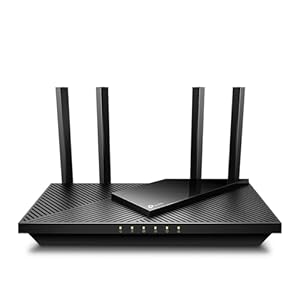
- Dual-WAN router: If you have two internet connections (e.g., cable primary + 5G backup), a dual-WAN router can automatically switch between them if one fails.
Optimizing Your Home Network for Remote Work
Even with a fast connection, your home network setup matters:
- Use wired Ethernet for your work computer — Wi-Fi adds latency and is less consistent. A direct Ethernet connection to your router eliminates wireless interference.
- Position your router centrally — If Ethernet isn't feasible, place your router as close to your work area as possible, or invest in a mesh Wi-Fi system.
- Enable QoS (Quality of Service) — Many routers can prioritize traffic from your work computer or specific applications, ensuring video calls get bandwidth first.
- Update your router firmware — Outdated firmware can cause performance and security issues.
- Use the 5 GHz band — For Wi-Fi, the 5 GHz band offers higher speeds and less interference than 2.4 GHz, though with slightly shorter range.
Minimum Internet Requirements for Remote Work in 2026
Remote work internet needs have increased as companies adopt higher-quality video conferencing and cloud-based collaboration tools. Here are the realistic minimums for different work scenarios:
Video Conferencing
Zoom, Microsoft Teams, and Google Meet are the backbone of remote work communication. Each platform has similar bandwidth requirements:
- Standard HD video call (1080p): 3.8 Mbps download, 3.0 Mbps upload
- Group call with 10+ participants: 4-6 Mbps download, 3-4 Mbps upload
- Screen sharing during call: Add 1-2 Mbps to both upload and download
- Recording to cloud: Add 1-2 Mbps upload
These numbers may seem low, but they represent the minimum for acceptable quality. For consistently smooth video calls without freezing or pixelation, aim for 2-3x these numbers to account for other household internet activity happening simultaneously.
Cloud-Based Applications
Google Workspace, Microsoft 365, Slack, Notion, and similar tools typically require 5-10 Mbps for responsive performance. The applications themselves use modest bandwidth, but simultaneous syncing of large documents, downloading email attachments, and loading web-based dashboards add up quickly.
VPN Connections
If your employer requires a VPN, expect a 10-30% speed reduction due to encryption overhead. A connection that delivers 100 Mbps without VPN may only achieve 70-90 Mbps through VPN. Factor this into your plan selection — if you need 50 Mbps effective speed through VPN, choose a plan with at least 75 Mbps.
The Upload Speed Problem (And How to Solve It)
Most remote workers focus on download speed, but upload speed is equally critical for work-from-home productivity. Here is why:
- Video calls are two-way: Your camera feed is being uploaded continuously during every call. Low upload speed causes your video to freeze or blur for other participants, even if your download speed is fine.
- Cloud file sync: Every document you save to Google Drive, OneDrive, or Dropbox is uploaded. Large presentations, spreadsheets with embedded images, and design files can be tens of megabytes each.
- Screen sharing: Sharing your screen requires constant uploading of your display output, consuming 2-4 Mbps of upload bandwidth.
The problem is that many cable internet plans offer asymmetric speeds — fast download but slow upload. A cable plan advertising "300 Mbps" may offer only 10-20 Mbps upload. For remote work, fiber connections with symmetrical speeds (equal upload and download) are vastly superior.
If fiber is not available, look for cable plans with at least 20 Mbps upload. Spectrum has been upgrading upload speeds in many markets, and Xfinity's higher-tier plans offer improved upload speeds.
Setting Up a Dedicated Home Office Network
A professional home office setup goes beyond just having fast internet. Here is how to optimize your network for remote work:
- Wired connection for your desk: Run an ethernet cable from your router to your home office desk. A wired connection eliminates Wi-Fi variability and provides the lowest, most consistent latency for video calls. A Cat 6 cable costs $10-$15 and delivers up to 10 Gbps over short distances.
- QoS (Quality of Service) settings: Configure your router to prioritize video conferencing traffic over streaming and downloads. Most modern routers have QoS settings accessible through their admin panel. This ensures your Zoom call stays smooth even when family members are streaming Netflix.
- Separate network for work devices: If your router supports it, create a separate SSID (network name) for your work devices. This provides a degree of isolation from household traffic and makes it easier to manage bandwidth allocation.
- UPS for your network equipment: A small UPS (uninterruptible power supply, $50-$80) keeps your modem and router running during brief power outages. The APC BE425M or CyberPower EC350G provide 15-30 minutes of backup power — enough to finish a meeting or save your work before a longer outage.
For provider recommendations based on your address, use our internet providers by address lookup and filter for plans with strong upload speeds.
Frequently Asked Questions
What internet speed do I need to work from home?
At minimum, 100 Mbps download and 10 Mbps upload for a single remote worker doing basic tasks. For video-heavy work or households with multiple remote workers, 300 Mbps download and 25 Mbps+ upload is recommended. Fiber's symmetrical speeds make it the ideal choice.
Is 5G home internet good enough for working from home?
5G home internet works for basic remote work (email, cloud apps, occasional video calls). However, its variable latency and limited upload speeds may cause issues with VPN-heavy workflows or multiple simultaneous video calls. It's best as a budget option or backup connection rather than a primary work-from-home connection.
Why do my video calls keep freezing?
Frozen video calls are almost always caused by insufficient upload bandwidth or high latency/jitter. Check your upload speed — if it's under 5 Mbps, that's likely the problem. Other causes include Wi-Fi interference (switch to Ethernet), too many devices competing for bandwidth, or router issues. Close bandwidth-heavy applications during calls and consider upgrading to a plan with higher upload speeds.
Do I need a business internet plan to work from home?
For most remote employees, a residential internet plan is sufficient. Business plans offer higher upload speeds, static IP addresses, and SLA-backed uptime guarantees, but they cost significantly more. Business plans make sense for self-employed professionals who need guaranteed uptime or run servers from home.
How much data does working from home use per month?
A typical remote worker uses 200 to 400 GB per month from work activities alone (video calls consume about 1 to 2.5 GB per hour). Add household streaming and other usage, and total monthly consumption is often 500 GB to 1 TB. If your plan has a data cap, make sure it accommodates this. Many providers offer unlimited data plans or have caps of 1 TB or higher.
Should I get a mesh Wi-Fi system for remote work?
If your work area is far from your router and you can't use Ethernet, a mesh system can significantly improve Wi-Fi consistency and coverage. Mesh systems like those from Eero, TP-Link Deco, or Google Nest WiFi eliminate dead zones and provide more reliable connections throughout your home. However, a wired Ethernet connection will always outperform even the best Wi-Fi setup.
Sources & Methodology
This article uses data from FCC Broadband Data Collection reports, U.S. Census Bureau demographics, and verified provider pricing and plan information. Pricing, speeds, and availability are verified against provider broadband nutrition labels and may vary by location. For a detailed explanation of our data collection and scoring process, see our methodology page.
Data Sources
- FCC Broadband Data Collection
- U.S. Census Bureau American Community Survey
- USAC Universal Service Fund
- NTIA Internet Use Survey
Last verified: March 2026. InternetProviders.ai is an independent resource. We may earn commissions from partner links — this does not affect our editorial recommendations. See our methodology for details.