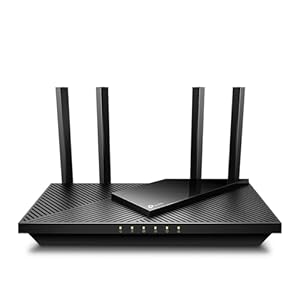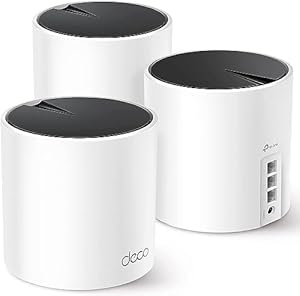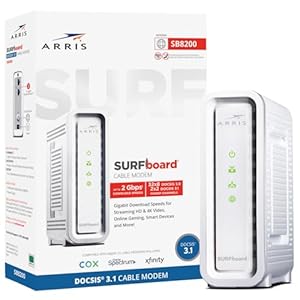
Your internet just went down. Before you panic or call your ISP, there are several troubleshooting steps you can take that resolve most outages within minutes. This guide walks you through a systematic approach to diagnosing and fixing internet outages, plus how to get bill credits when the problem is on your provider’s end.
Step 1: Check If It Is Your Device or Your Network
The first thing to determine is whether the problem is with a single device or your entire network.
- Try connecting to the internet on a different device (phone, tablet, another computer)
- If other devices work, the problem is with the original device—restart it and check its WiFi connection
- If no devices can connect, the issue is with your network or ISP
Also check if the problem is WiFi-specific: connect a device directly to your router using an ethernet cable. If the wired connection works but WiFi does not, the issue is with your router’s wireless radio, not your internet connection.
Step 2: Restart Your Modem and Router
This solves the majority of home internet outages. Equipment that runs continuously can develop software glitches that a restart clears.
- Unplug your modem’s power cable from the wall outlet
- Unplug your router’s power cable (if it is a separate device)
- Wait 30 seconds—this allows the equipment to fully discharge and clear its memory
- Plug the modem back in first and wait 2–3 minutes for it to fully reconnect to your ISP
- Once the modem’s online light is solid, plug the router back in
- Wait 1–2 minutes for the router to boot, then test your connection
The order matters: modem first, then router. The modem needs to establish the ISP connection before the router can distribute it.
Step 3: Check Your Cables and Connections
Physical connection issues are more common than people think, especially if equipment has been moved or bumped.
- Verify the coaxial cable (cable internet) or ethernet cable (fiber) is firmly connected to the modem’s input port
- Check that the ethernet cable between the modem and router is secure at both ends
- Look for damaged cables—frayed, bent, or chewed cables (pets are a common culprit) need replacement
- Ensure all connections are in the correct ports (the modem-to-router cable goes in the router’s WAN port)
Step 4: Check Your ISP’s Outage Map
If restarting equipment does not help, the problem may be on your ISP’s end. Most major providers offer outage maps and status pages:
- Xfinity: xfinity.com/support/status or the Xfinity app
- Spectrum: spectrum.net/support/outage or the My Spectrum app
- AT&T: att.com/outages or the AT&T app
- Verizon: verizon.com/support/residential/service-outage
You can also check third-party sites like DownDetector (downdetector.com) which aggregate user reports to identify widespread outages in real time.
If your ISP confirms an outage in your area, there is nothing to do but wait. Most ISP outages are resolved within 1–4 hours, though major outages can take longer.
Step 5: Use a Mobile Hotspot as a Backup
While waiting for your ISP to resolve an outage, your smartphone can serve as a temporary internet connection:
- Enable the mobile hotspot on your phone (Settings > Hotspot or Personal Hotspot)
- Connect your laptop or other devices to your phone’s hotspot WiFi network
- Be mindful of data usage—avoid streaming video or large downloads to conserve your mobile data
This works well for urgent tasks like sending emails, joining video calls, or meeting work deadlines. It is not a substitute for your home internet for sustained use due to data limits and battery drain.
Step 6: Call Your ISP
If the outage is not listed on your ISP’s status page and restarting equipment did not help, call your provider’s technical support line. Before you call, have the following ready:
- Your account number or the phone number associated with your account
- The modem/router lights status (which lights are on, off, or blinking)
- What troubleshooting steps you have already taken
- When the outage started
Your ISP can run remote diagnostics on your modem to check signal levels and identify issues. They may be able to resolve the problem remotely or schedule a technician visit if the issue is with the line to your home.
How to Get Bill Credits for Outages
If your ISP experiences an outage that lasts several hours or longer, you may be entitled to a credit on your bill. Here is how to request one:
- Document the outage: Note the date, start time, and end time
- Call customer service: Ask for a credit for the downtime period
- Reference your plan terms: Many ISPs include language about service reliability
- Be polite but firm: First-line agents can usually issue small credits immediately
- Escalate if needed: If the first agent cannot help, ask for a supervisor
Typical credits range from a prorated daily rate to a full month’s discount for severe outages. Business plans with SLA guarantees have specific credit provisions for downtime exceeding the guaranteed uptime threshold.
When to Consider Switching Providers
Occasional outages happen to every ISP. But if you experience frequent or prolonged outages, it may be time to explore other options. Consider switching if:
- You experience outages more than twice a month
- Outages regularly last more than 4 hours
- Your ISP cannot identify or fix a recurring issue
- Customer support is consistently unhelpful
Check what other providers are available at your address using our availability checker. Read our guide on how to switch internet providers for a smooth transition. You can also compare providers side by side to find a more reliable option in your area.
Preventing Future Outages
- Keep equipment current: Replace modems and routers every 3–5 years
- Use a UPS (battery backup): A $50–$100 UPS keeps your modem and router running during brief power outages
- Monitor your connection: Free apps like Fing can alert you to network issues before you notice them
- Have a backup plan: A mobile hotspot or cellular backup ensures you can always get online for urgent tasks
Frequently Asked Questions
How long do internet outages usually last?
Most ISP outages are resolved within 1–4 hours. Localized issues (a problem with the line to your home) may take 24–48 hours if a technician visit is required. Major infrastructure outages during severe weather can last longer, but these are uncommon.
Should I restart my modem every day?
No. Modern modems and routers are designed to run continuously. Only restart them when you experience connectivity issues. Frequent restarts can actually cause brief service interruptions and slow reconnection times.
Can my ISP see when my internet goes down?
Yes, most ISPs monitor modem connectivity and signal levels remotely. They can often detect when your modem goes offline and may proactively address the issue. However, they may not always be aware of intermittent problems or WiFi-specific issues within your home.
What if my internet is slow but not completely down?
Slow internet has different causes than a full outage. Run a speed test (speedtest.net) and compare the results to your plan speed. If speeds are significantly below your plan, call your ISP with the test results. The issue may be network congestion, a degraded line, or equipment that needs replacement.
Do I get compensated for internet outages?
Most residential ISPs do not automatically compensate for outages, but many will issue a credit when you call and request one. Business plans with SLA guarantees include specific credit provisions. Document outage dates and times to support your credit request.
Is there a way to have two internet connections as backup?
Yes, dual-WAN routers can connect to two different internet sources (such as cable and cellular) and automatically switch to the backup when the primary goes down. This setup is more common for home offices and small businesses but is available for residential use as well.
Building a Home Internet Backup Plan
Rather than scrambling during an outage, set up a backup plan in advance. A reliable backup costs surprisingly little and can save you from missed deadlines and lost productivity.
Option 1: Mobile Hotspot (Best for Most People)
Your smartphone's mobile hotspot is the fastest backup to activate — it requires zero additional equipment. Most major carriers include hotspot data:
- T-Mobile Magenta MAX: 40 GB of high-speed hotspot data per month
- Verizon Unlimited Ultimate: 60 GB of high-speed hotspot data
- AT&T Unlimited Premium: 60 GB of hotspot data
For a typical outage lasting a few hours, hotspot data is more than sufficient. A one-hour Zoom call uses about 1-2 GB. Keep your phone charger accessible and consider a portable battery pack if the outage also affects power.
Option 2: Dedicated Mobile Hotspot Device ($20-$50/month)
If outages are frequent in your area, a dedicated hotspot device from T-Mobile, Verizon, or a prepaid carrier like Visible provides a more robust solution. These devices support more simultaneous connections than your phone and often have better antennas for stronger signal in areas with marginal cellular coverage.
Option 3: Dual-WAN Router (Best for Remote Workers)
A dual-WAN router connects to both your primary internet service and a backup connection (cellular hotspot, secondary ISP, or even a neighbor's Wi-Fi with permission). When the primary connection drops, the router automatically switches to the backup in seconds — often without dropping your video call. Models from TP-Link, Peplink, and GL.iNet range from $100-$300 and pay for themselves if you depend on internet for work.
How to Get Compensation for Internet Outages
Most people do not realize they can request credits for extended outages. Here is how each major provider handles outage credits:
- Xfinity: Does not automatically credit for outages, but will issue credits if you call and request them. Be specific about the outage duration and reference your bill amount. Typical credit: prorated daily rate for each day affected.
- Spectrum: Spectrum's policy allows credits for outages lasting more than 24 consecutive hours. Call customer service and reference the outage. Spectrum is generally responsive to credit requests for documented outages.
- AT&T: AT&T will credit your account for outages lasting 4+ hours if you contact them. Use the AT&T app to document the outage start and end time.
- Frontier: Frontier's policy provides credits for outages exceeding 24 hours. Call and request a prorated credit referencing the specific dates.
- Cox: Cox offers credits for outages lasting more than 24 hours. You can request credits via chat or phone.
Pro tip: Document every outage. Screenshot your ISP's outage map or app notification, note the start and end time, and save speed test results showing degraded service. This documentation strengthens your case when requesting credits and is essential if you file an FCC complaint.
When Outages Signal a Bigger Problem
Occasional outages happen to every provider. But if you are experiencing frequent disruptions, the root cause may require a different solution than just restarting your router.
- Multiple outages per week: If your service drops several times a week, even briefly, request a technician visit. The issue may be a degraded line, loose connection at the street-level junction box, or a failing modem. Many providers will send a technician at no charge for recurring issues.
- Outages during peak hours only (7-10 PM): This pattern suggests network congestion rather than a physical problem. Cable networks in particular share bandwidth among neighbors. If peak-hour slowdowns are your primary issue, switching to fiber (which does not share bandwidth) may be the most effective fix.
- Outages after weather events: If your service drops every time it rains or gets windy, the problem is likely physical infrastructure — a damaged cable, water-infiltrated junction box, or loose aerial line. Report this pattern specifically to your provider so the technician knows what to look for.
- Outages only on your network: If neighbors on the same provider are unaffected, the problem is between the street and your home. Check that coaxial cables are tightly connected, ethernet cables are not damaged, and your modem firmware is up to date.
If your provider cannot resolve recurring outages within 2-3 technician visits, it may be time to switch providers. Check our best internet providers guide to see what alternatives are available at your address.
Frequently Asked Questions
- What should I know about Internet Outage? What to Do?
- Key factors include pricing, speed requirements for your household, contract terms, and availability at your address. Our guide covers the essential considerations to help you make an informed decision.
- How do I choose the right internet plan?
- Consider your household size, usage patterns (streaming, gaming, remote work), and budget. Generally, 100 Mbps works for 2-3 users, 300 Mbps for 4-5, and gigabit for power users or large households.
- Are internet prices going up in 2026?
- Internet pricing trends vary by provider and region. Some providers have raised base prices, while competition has driven promotional rates lower in many markets. Compare current offers to find the best value.
Sources & Methodology
This article uses data from FCC Broadband Data Collection reports, U.S. Census Bureau demographics, and verified provider pricing and plan information. Pricing, speeds, and availability are verified against provider broadband nutrition labels and may vary by location. For a detailed explanation of our data collection and scoring process, see our methodology page.
Data Sources
- FCC Broadband Data Collection
- U.S. Census Bureau American Community Survey
- USAC Universal Service Fund
- NTIA Internet Use Survey
Last verified: March 2026. InternetProviders.ai is an independent resource. We may earn commissions from partner links — this does not affect our editorial recommendations. See our methodology for details.