Multi-gig internet refers to residential broadband plans with speeds exceeding 1 Gbps (1,000 Mbps). As fiber providers like Frontier, AT&T, and Google Fiber deploy next-generation network technology, speeds of 2 Gbps, 5 Gbps, and even 7 Gbps are becoming available to consumers across the United States.
But who actually needs multi-gig internet? This guide explains the technology, equipment requirements, real-world use cases, cost analysis, and whether upgrading beyond 1 Gbps makes sense for your household in 2026.
What Makes Multi-Gig Different from Gigabit
Standard gigabit internet (1 Gbps) has been the aspirational speed tier for consumers since the early 2010s. For a typical household of four to five people, gigabit service handles multiple 4K streams, video calls, gaming, and large downloads simultaneously without congestion.
Multi-gig takes this further by offering 2x to 7x the bandwidth. The primary benefits are:
- More total household bandwidth: Even if a single device caps at 1–2.5 Gbps, the total available bandwidth is shared across all devices. A 5 Gbps connection means five devices can each use 1 Gbps simultaneously without contention.
- Future-proofing: As 8K video, AR/VR applications, and cloud computing grow, bandwidth demands will increase. Multi-gig connections provide headroom for the next decade of connected devices.
- Symmetric upload speeds: On fiber, multi-gig plans offer symmetric uploads, critical for content creators, remote workers, and anyone who uploads large files regularly.
- Lower latency under load: With more available bandwidth, multi-gig connections experience less bufferbloat and queuing delay when multiple users are active, keeping latency consistently low even during peak household usage.
How Multi-Gig Technology Works: XGS-PON and Beyond
Multi-gig residential service is made possible by fiber optic technology upgrades at the ISP level. Understanding the underlying infrastructure helps explain why multi-gig is only available in certain areas and from certain providers.
GPON vs. XGS-PON vs. 25G-PON
GPON (Gigabit Passive Optical Network) was the original fiber standard, supporting up to 2.5 Gbps downstream and 1.25 Gbps upstream shared among up to 32 or 64 subscribers on a single fiber. This technology powered the first wave of gigabit fiber plans from Verizon Fios and others.
XGS-PON (10-Gigabit Symmetric PON) is the current standard enabling multi-gig plans. It delivers up to 10 Gbps symmetric across the same passive optical infrastructure, meaning ISPs can upgrade without laying new fiber. Frontier, AT&T, and Google Fiber all use XGS-PON for their multi-gig tiers.
25G-PON is the emerging next generation, supporting up to 25 Gbps downstream. Ziply Fiber has begun deploying 25G-PON in the Pacific Northwest, offering residential plans up to 50 Gbps—though practical use of such speeds requires extremely specialized equipment.
How Bandwidth Is Shared
On a PON network, bandwidth is shared among subscribers on the same optical splitter. A 10 Gbps XGS-PON connection shared among 32 homes provides an average of 312 Mbps per home—but ISPs oversubscribe because not all homes are using bandwidth simultaneously. During low-usage periods, a single subscriber can burst to the full capacity of their plan. ISPs use dynamic bandwidth allocation to ensure each subscriber gets their provisioned speed tier.
Multi-Gig Speed Tiers Explained
2 Gbps (2,000 Mbps)
The entry point to multi-gig. At 2 Gbps symmetric, you get double the bandwidth of a standard gigabit connection. This tier is ideal for power-user households: content creators, remote workers with large file transfers, and homes with 15+ connected devices. Frontier offers this at $99.99/mo, and AT&T Fiber offers a comparable tier. At 2 Gbps, downloading a 100 GB file takes approximately 6.5 minutes compared to 13 minutes on a 1 Gbps connection.
5 Gbps (5,000 Mbps)
The 5 Gbps tier is designed for technology enthusiasts and home lab operators. At this speed, you can download a 50 GB game in under 2 minutes (on a wired connection). Households running home servers, NAS devices serving multiple 4K streams, or professional video editing benefit from this tier. Frontier offers 5 Gig at $154.99/mo. The 5 Gbps tier is also popular with remote software engineers who regularly clone large monorepos or pull Docker images exceeding 10 GB.
7 Gbps (7,000 Mbps)
Currently the fastest residential internet available from any major U.S. provider. The 7 Gbps tier from Frontier at $299.99/mo targets professional use cases: home studios producing broadcast-quality content, software developers compiling and deploying large codebases, and early adopters who want the absolute maximum. A 4K RAW video file (500 GB) can be backed up to cloud storage in under 10 minutes at this speed.
Equipment You Need for Multi-Gig
Getting multi-gig speeds to your devices requires compatible hardware at every link in the chain:
Router
Your router must have a WAN port rated for your plan speed:
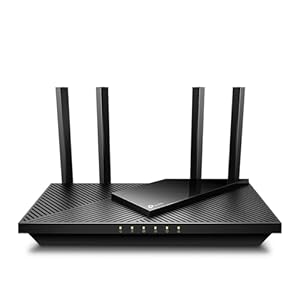
- 2 Gbps: Requires a router with a 2.5 GbE or 10 GbE WAN port. WiFi 6E routers from brands like ASUS, Netgear, and TP-Link support this.
- 5–7 Gbps: Requires a router with a 10 GbE WAN port. WiFi 7 routers are recommended for the best wireless performance.
Frontier includes an appropriate router with each plan tier at no additional charge. If you prefer to use your own equipment, verify that your router’s WAN port and processor can handle the throughput without becoming a bottleneck.
Network Adapters
Most laptops and desktops ship with 1 GbE Ethernet ports, which cap wired speeds at 1 Gbps. To exceed 1 Gbps on a single device, you need:
- A USB-C to 2.5 GbE adapter ($15–$30) for 2 Gbps speeds
- A PCIe 10 GbE card ($50–$100) for 5+ Gbps speeds on a desktop
- A Thunderbolt to 10 GbE adapter ($80–$150) for laptops
Ethernet Cabling
Your in-home Ethernet cabling matters more at multi-gig speeds:
- Cat 5e: Supports up to 1 Gbps (not suitable for multi-gig)
- Cat 6: Supports up to 10 Gbps at distances under 55 meters
- Cat 6a: Supports 10 Gbps at the full 100-meter distance—recommended for multi-gig installations
- Cat 7/8: Overkill for residential use, but supports 25–40 Gbps
If your home was wired with Cat 5e during construction, you may want to upgrade critical runs (office, media room) to Cat 6a to take full advantage of multi-gig speeds.
WiFi Standards
Wireless speeds depend on the WiFi standard your devices support:
- WiFi 6 (802.11ax): Practical maximum ~1.2 Gbps per device
- WiFi 6E: Practical maximum ~2.4 Gbps per device (uses 6 GHz band)
- WiFi 7 (802.11be): Practical maximum ~4+ Gbps per device
Most current smartphones, laptops, and tablets support WiFi 6 or 6E, capping individual wireless device speeds around 1.2–2.4 Gbps regardless of your plan speed. WiFi 7 devices are entering the market in 2026, with flagship phones and laptops from Apple, Samsung, and Intel-based manufacturers adding support.
Real-World Use Cases for Multi-Gig
Who Should Consider 2 Gbps
- Households with 10+ devices where multiple people work from home
- Content creators who regularly upload videos (a 10 GB upload takes ~40 seconds at 2 Gbps vs. ~80 seconds at 1 Gbps)
- Gamers who want minimal network contention during large game updates
- Anyone who finds their 1 Gbps connection occasionally congested during peak usage
- Families with teens who simultaneously stream, game, and video-call while parents work remotely
Who Should Consider 5+ Gbps
- Home lab enthusiasts running virtualization, home servers, or NAS arrays
- Professional video editors working with 4K/8K RAW footage
- Software developers who regularly pull or push multi-gigabyte repositories
- Households that function as small offices with enterprise-grade data needs
- Photographers or architects who transfer hundreds of gigabytes of high-resolution files to cloud storage daily
Who Does NOT Need Multi-Gig
- Most families of 4–6 people with standard streaming, browsing, and gaming habits (1 Gbps is more than sufficient)
- Households where no single activity requires more than 100 Mbps
- Anyone primarily using WiFi 5 or WiFi 6 devices (wireless bottleneck limits the benefit)
- Renters or apartment dwellers who cannot upgrade in-wall Ethernet cabling
Multi-Gig Internet Providers in 2026
| Provider | Max Speed | Price | Technology | Availability |
|---|---|---|---|---|
| Frontier Fiber | 7 Gbps | $49.99–$299.99/mo | XGS-PON | 25 states |
| AT&T Fiber | 5 Gbps | $55–$180/mo | XGS-PON | 21 states |
| Google Fiber | 8 Gbps | $70–$150/mo | XGS-PON | 12 metros |
| Verizon Fios | 2.3 Gbps | $49.99–$109.99/mo | XGS-PON | 9 states (Northeast) |
| Ziply Fiber | 50 Gbps | $39.99–$900/mo | 25G-PON | 4 states (Pacific NW) |
| EPB (Chattanooga) | 25 Gbps | $67.99–$1,500/mo | XGS-PON/25G-PON | Chattanooga, TN |
For a detailed comparison of Frontier’s multi-gig offerings against the competition, see our Frontier vs AT&T Fiber and Frontier vs Google Fiber comparison articles.
Cost-Per-Mbps Analysis
When evaluating multi-gig plans, cost-per-Mbps provides a useful comparison metric:
| Plan | Monthly Cost | Cost per Mbps |
|---|---|---|
| Frontier 1 Gig | $59.99 | $0.060 |
| Frontier 2 Gig | $99.99 | $0.050 |
| Frontier 5 Gig | $154.99 | $0.031 |
| Frontier 7 Gig | $299.99 | $0.043 |
| AT&T 5 Gig | $180.00 | $0.036 |
| Google Fiber 8 Gig | $150.00 | $0.019 |
Interestingly, multi-gig plans often deliver a lower cost-per-Mbps than standard gigabit plans. Google Fiber’s 8 Gbps tier at $150/mo is one of the best values in residential internet at just $0.019 per Mbps. However, this only matters if you can actually use the additional bandwidth—paying less per Mbps for bandwidth you never utilize is not a savings.
Is Multi-Gig Worth the Extra Cost?
For the vast majority of households, 1 Gbps is more than enough. The jump from 500 Mbps to 1 Gbps is far more impactful for daily use than the jump from 1 Gbps to 2 Gbps. The incremental benefit of multi-gig speeds is real but narrowly targeted.
Consider upgrading to multi-gig if you:
- Regularly experience congestion on your current gigabit plan
- Have specific workflows that benefit from faster upload speeds (content creation, cloud development)
- Run home servers or NAS devices that serve data to multiple clients
- Want to future-proof your connection for the next 5–10 years
- Work in a field where time savings from faster transfers directly translates to productivity gains
If none of these apply, the Frontier Fiber 1 Gig plan at $59.99/mo offers the best value for residential use. You can always upgrade later as multi-gig equipment becomes more mainstream and affordable.
Multi-Gig and Smart Home Devices
The average U.S. household now has 25+ connected devices, including smart TVs, security cameras, thermostats, voice assistants, and appliances. While individual smart home devices use minimal bandwidth (a Ring camera streams at 2–5 Mbps), the aggregate demand grows with each addition. Homes with 10+ security cameras, multiple smart displays, and IoT sensors can see sustained bandwidth usage of 50–100 Mbps even when nobody is actively using a computer or phone.
Multi-gig connections ensure that smart home devices never compete with high-bandwidth activities like 4K streaming or video conferencing. The headroom also means firmware updates, cloud backups from cameras, and other background processes can complete without affecting user experience.
Frequently Asked Questions
Can my devices actually use multi-gig speeds?
Most individual devices are limited to 1–2.5 Gbps depending on their network adapter and WiFi standard. The benefit of multi-gig is aggregate household bandwidth—many devices using high bandwidth simultaneously without contention.
Do I need special wiring in my home?
No special home wiring is needed from the ISP side. However, to distribute multi-gig speeds within your home via Ethernet, you should use Cat 6 or Cat 6a cabling. Standard Cat 5e supports up to 1 Gbps. If your home was built before 2010, there is a good chance the existing Ethernet runs are Cat 5e and would need upgrading for multi-gig performance.
Will multi-gig internet make my WiFi faster?
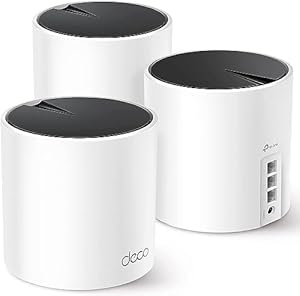
Only if your devices support WiFi 6E or WiFi 7. With WiFi 6 devices, your per-device wireless speed caps around 1.2 Gbps regardless of your plan. The total household throughput still benefits from a multi-gig backhaul, especially in mesh WiFi setups where multiple access points connect to the router via wired backhaul.
Is multi-gig available everywhere?
No. Multi-gig requires fiber infrastructure with XGS-PON or newer technology. It is available in select markets from Frontier, AT&T, Google Fiber, and others. Check provider availability at your address.
What is the difference between XGS-PON and GPON?
GPON supports up to 2.5 Gbps download and 1.25 Gbps upload (shared among users on the same fiber). XGS-PON supports up to 10 Gbps symmetric, enabling multi-gig plans. Your ISP manages the backend technology—you just need the right plan and compatible equipment.
Can I get multi-gig over cable or 5G?
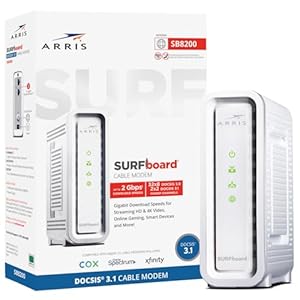
Cable providers using DOCSIS 4.0 technology are beginning to offer multi-gig download speeds (up to 10 Gbps), but upload speeds remain asymmetric (typically 1–2 Gbps). 5G home internet currently maxes out at around 300 Mbps in practice, nowhere near multi-gig territory. For true symmetric multi-gig service, fiber is the only option in 2026.
How do multi-gig speeds compare internationally?
The U.S. is competitive on maximum available speeds but lags in average speeds. Countries like South Korea (average 262 Mbps), Singapore (300+ Mbps), and parts of Scandinavia have higher average speeds due to more widespread fiber deployment. However, U.S. providers like Frontier and Google Fiber offer some of the fastest individual plans available globally.
Speeds and pricing subject to change. See our methodology for how we verify speed claims.
Sources
This content references data from FCC Broadband Map, U.S. Census Bureau. Pricing and availability are subject to change.
Market Context
The broadband market concentration in the United States varies based on population density and infrastructure investment. According to FCC broadband deployment data, median household income and population density are key factors in service availability and pricing. The BEAD (Broadband Equity, Access, and Deployment) program may expand options in underserved areas of the United States.
Find the best deal. Compare internet providers available at your address to view current plans and pricing.