Bottom line: Google Fiber is vastly superior where available — 10x faster speeds (up to 8 Gbps vs 220 Mbps), 10x lower latency (3ms vs 30ms), and cheaper ($70/mo vs $120/mo). Starlink wins only on availability — it works virtually everywhere, while Google Fiber serves just 15 metro areas.
Key Findings: Google Fiber vs Starlink
- Google Fiber is 10-40x faster (1-8 Gbps vs 25-220 Mbps)
- Google Fiber latency: 1-5ms; Starlink latency: 25-60ms
- Google Fiber: $70/mo for 1 Gbps; Starlink: $120/mo for ~100-220 Mbps
- Starlink: global availability; Google Fiber: 15 US metro areas only
- Starlink requires $599 hardware upfront; Google Fiber installation is free
- Both have no data caps on standard residential plans
Plans and Pricing Comparison
Google Fiber Plans (2026)
| Plan | Speed | Price | Upload Speed | Data Cap |
|---|---|---|---|---|
| Google Fiber 1 Gig | 1 Gbps | $70/mo | 1 Gbps | None |
| Google Fiber 2 Gig | 2 Gbps | $100/mo | 1 Gbps | None |
| Google Fiber 5 Gig | 5 Gbps | $125/mo | 5 Gbps | None |
| Google Fiber 8 Gig | 8 Gbps | $150/mo | 8 Gbps | None |
Starlink Plans (2026)
| Plan | Speed Range | Price | Hardware Cost | Data Cap |
|---|---|---|---|---|
| Starlink Standard | 25-220 Mbps | $120/mo | $599 | Priority: 1 TB, then deprioritized |
| Starlink Priority (home) | 40-220 Mbps | $250/mo | $2,500 | Priority: Unlimited |
| Starlink Mobile | 5-50 Mbps | $150/mo | $599 | 50 GB priority |
Speed Performance: Real-World Testing
Google Fiber consistently delivers advertised speeds. Independent tests from Ookla and M-Lab show median download speeds of 920-960 Mbps on the 1 Gig plan, with uploads exceeding 900 Mbps. Google Fiber's consistency is its hallmark — speeds rarely dip below 90% of advertised rates.
Starlink speeds are inherently variable. Median downloads range from 80-150 Mbps depending on location, time of day, weather, and satellite congestion. During peak evening hours in densely populated areas, Starlink speeds can drop to 25-50 Mbps. Rural users with fewer competing subscribers typically see the best performance (150-220 Mbps).
For context: Netflix 4K requires 25 Mbps per stream. A household with 4 simultaneous 4K streams needs 100 Mbps. Google Fiber handles this effortlessly with 900 Mbps to spare. Starlink can manage it, but with less headroom during congestion.
Latency: Why It Matters
| Activity | Google Fiber | Starlink | Impact |
|---|---|---|---|
| Web Browsing | 1-5ms | 25-60ms | Pages load noticeably faster on fiber |
| Video Calls (Zoom) | Unnoticeable delay | Slight delay | Fiber provides smoother calls |
| Online Gaming | 1-5ms ping | 30-60ms ping | Fiber essential for competitive gaming |
| Stock Trading | Near-instant | 30-60ms delay | Fiber critical for high-frequency tasks |
Starlink satellites orbit at 550km altitude. Radio signals traveling to space and back introduce approximately 20-40ms of unavoidable latency. Google Fiber signals travel through ground-level cables at near light speed with negligible latency. This physics limitation means satellite internet cannot match fiber latency.
Total Cost of Ownership (3 Years)
| Cost | Google Fiber 1 Gig | Starlink Standard |
|---|---|---|
| Hardware | $0 | $599 |
| Installation | $0 | Self-install ($0) |
| Monthly (36 months) | $2,520 | $4,320 |
| 3-Year Total | $2,520 | $4,919 |
| Cost per Mbps/mo | $0.07 | $1.13 |
Google Fiber costs $2,399 less over 3 years while delivering 5-10x faster speeds. Per-Mbps cost favors Google Fiber by a factor of 16x. Starlink's value proposition is exclusively about availability, not performance or price.
Reliability and Weather Impact
Google Fiber is unaffected by weather. Buried fiber optic cables are immune to rain, snow, wind, and temperature extremes. Outages are rare and typically caused by construction damage to underground lines.
Starlink performance degrades in adverse weather. Heavy rain can reduce speeds by 10-30%, and thick cloud cover or snow accumulation on the dish temporarily disrupts connectivity. The Starlink dish has a built-in heater to melt snow, but this draws additional power. In areas with frequent storms, expect occasional 1-5 minute dropouts.
Who Should Choose Each
- Choose Google Fiber if: Available at your address. Superior in every measurable way — speed, latency, reliability, and price. No contest
- Choose Starlink if: Google Fiber (and other wired broadband) isn't available. Starlink is the best option for rural homes, RVs, boats, and off-grid locations
- Consider alternatives:AT&T vs Google Fiber, Starlink vs T-Mobile, or 5G home internet as another wireless option
Installation and Setup Experience
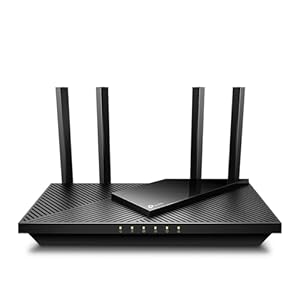
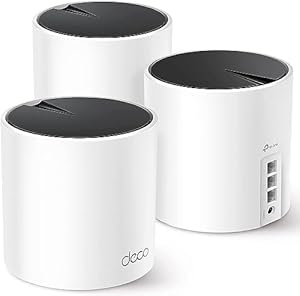
Google Fiber installation is professional and free. A technician visits your home (typically 2-4 hour appointment) to run fiber from the street to your home, install an optical network terminal (ONT), and set up your WiFi router. The process includes drilling a small hole for the fiber entry point. Google Fiber provides a WiFi 6E mesh router at no additional cost.
Starlink is self-installed. The kit includes a satellite dish (Dishy), router, cables, and mounting hardware. Setup takes 15-30 minutes: mount the dish with a clear view of the sky, plug in the cables, and connect via the Starlink app. The dish uses motors to automatically find the optimal angle. You may need additional mounting accessories ($35-150) for roof, pole, or wall installations.
For apartments and rentals, Starlink's portability is a clear advantage — take it when you move. Google Fiber is tied to your address and requires a new installation at each location.
Future-Proofing and Technology Outlook
Google Fiber is actively upgrading to multi-gigabit speeds. Their 8 Gbps tier is among the fastest residential internet globally, and fiber infrastructure supports theoretical speeds of 100+ Gbps with equipment upgrades. Google Fiber's expansion into new cities (recently adding Mesa, AZ and Colorado Springs) signals long-term commitment.
Starlink is deploying V2 Mini satellites with increased capacity and lower latency targets (sub-20ms). SpaceX plans to launch over 40,000 satellites eventually, which should improve consistency and speeds. Starlink's direct-to-cell technology could further expand its capabilities. However, satellite internet faces fundamental physics constraints that prevent it from matching fiber performance.
Network Architecture: Fiber vs Satellite
Understanding why these two services perform so differently requires examining their underlying technology. Google Fiber uses a fiber-to-the-home (FTTH) architecture: dedicated strands of glass fiber run from a central office directly to each subscriber's optical network terminal (ONT). Because light travels through fiber at near the speed of light with minimal signal degradation, fiber can deliver symmetric multi-gigabit speeds with single-digit millisecond latency consistently.
Starlink operates a Low Earth Orbit (LEO) satellite constellation at approximately 550 km altitude. Your dish (Dishy McFlatface) communicates with the nearest overhead satellite, which relays data to a ground station connected to the internet backbone. While LEO is dramatically better than traditional geostationary satellite internet (which orbits at 35,786 km), the signal still travels approximately 1,100 km round-trip minimum, plus processing time at each hop. This physical reality caps Starlink's latency at 20–60 ms under ideal conditions and limits throughput due to shared satellite capacity across all users in a cell.
Congestion and Peak-Hour Performance
One of the most important real-world differences between Google Fiber and Starlink is how they handle peak usage periods. Google Fiber's dedicated fiber lines mean your bandwidth is not meaningfully affected by your neighbors' usage. Whether it's 3 AM or 8 PM on a Friday, Google Fiber customers consistently see speeds within 5% of their advertised tier.
Starlink performance varies significantly by time of day and geographic demand. Each Starlink satellite serves a coverage "cell" of roughly 15 miles in diameter. As more subscribers activate within a cell, available bandwidth per user decreases. In densely populated suburban areas, Starlink users report peak-hour speeds dropping to 30–60 Mbps—well below the 100–220 Mbps typical during off-peak hours. In rural areas with fewer subscribers per cell, performance remains more consistent.
SpaceX has acknowledged congestion concerns and is addressing them through three strategies: launching more satellites (currently ~6,800 operational, with a target of 12,000+), deploying V2 Mini satellites with 4x the capacity of V1.5 satellites, and introducing priority tiers that guarantee minimum speeds for business and premium residential customers at higher price points ($250/mo for Priority).
Contract Terms and Flexibility
Both Google Fiber and Starlink operate without long-term contracts, but their cancellation economics differ substantially. Google Fiber charges no early termination fees and installation is free, making it essentially zero-risk to try. You can cancel at any time and return the equipment.
Starlink's $599 hardware purchase (or $2,500 for the high-performance dish) creates significant lock-in through sunk cost. While you can sell your Starlink dish on the secondary market, SpaceX charges a $50 transfer fee and used dishes sell for approximately $300–$400. The Starlink 30-day trial allows a full hardware refund, but after that window closes, you own the hardware regardless of whether you continue service.
Use Case Analysis: Who Wins in Each Scenario
Remote workers and video conferencing: Google Fiber wins decisively. Consistent sub-5ms latency and symmetric upload speeds (critical for video calls) make it the clear choice. Starlink's variable latency can cause video artifacts, audio delays, and occasional connection drops during satellite handoffs.
Competitive gaming: Google Fiber is the only viable option for serious competitive gaming. The 1–5 ms latency is among the lowest available from any consumer ISP. Starlink's 25–60 ms latency is playable for casual gaming but puts competitive players at a measurable disadvantage in twitch-reaction titles.
RVs, boats, and mobile use: Starlink wins with its portable dish options (Starlink Roam at $165/mo). Google Fiber is fixed-location only. For digital nomads and frequent travelers, Starlink provides connectivity in locations where no wired option exists.
Streaming 4K/HDR content: Both services handle 4K streaming without issues under normal conditions. Google Fiber's consistent bandwidth provides a buffer-free experience at all times. Starlink typically delivers enough bandwidth for 4K (25+ Mbps) but may buffer during peak congestion in heavily subscribed cells.
Smart home with many devices: Google Fiber's higher bandwidth ceiling accommodates 30+ simultaneous devices without meaningful speed degradation. Starlink can support smart home use but may struggle during peak hours when combined with heavy streaming or downloading on the same network.
Customer Support Comparison
Google Fiber offers phone, chat, and in-person support at Fiber retail spaces in its service cities. Wait times are consistently under 5 minutes for phone support, and the company has earned a reputation for U.S.-based technicians who resolve issues on the first visit in over 90% of cases. Google Fiber's app provides real-time network diagnostics, speed testing, and the ability to schedule technician visits.
Starlink support is email-only with no phone support option. Response times range from a few hours to several days depending on issue complexity and volume. The Starlink app provides basic diagnostics including obstruction mapping, speed tests, and firmware status. For hardware failures, SpaceX ships replacement equipment (typically within 3–5 business days) but there is no in-person technician service since the user-installed dish requires no professional installation.
For users who value accessible, responsive customer service, Google Fiber has a clear advantage. Starlink's support model is adequate for technically capable users but frustrating for those who need hands-on help troubleshooting connectivity issues.
Related Comparisons
- AT&T vs Google Fiber
- Starlink vs T-Mobile Home Internet
- Spectrum vs Google Fiber
- Xfinity vs Google Fiber
- Google Fiber Review
- Satellite Internet Providers
- Fiber Internet Providers
- Best Internet Providers 2026
- How to Choose a Provider
Frequently Asked Questions
Is Starlink faster than Google Fiber?
No. Google Fiber is significantly faster. Google Fiber delivers 1-8 Gbps with 1-5ms latency, while Starlink averages 80-150 Mbps with 25-60ms latency. Google Fiber is approximately 10x faster and 10x more responsive than Starlink.
How much does Starlink equipment cost?
Starlink Standard hardware costs $599 upfront (dish + router + cables). The Priority hardware kit costs $2,500. Also, you may need a mounting kit ($35-150) depending on your installation location. Google Fiber equipment and installation are both free.
Does Starlink work in bad weather?
Starlink works in most weather but performance degrades. Heavy rain reduces speeds 10-30%, thick snow can temporarily block the signal until the dish's heater melts it, and severe storms may cause brief outages. Light rain and clouds have minimal impact. Google Fiber is completely unaffected by weather.
Where is Google Fiber available?
Google Fiber serves approximately 15 metro areas: Austin, Atlanta, Charlotte, Nashville, Kansas City, Raleigh-Durham, Salt Lake City, San Antonio, Huntsville, Provo, Orange County, San Diego, Mesa, and expanding to additional cities. Coverage within each metro varies by neighborhood.
Can Starlink replace cable internet?
For basic usage (streaming, browsing, email), yes. Starlink's 80-150 Mbps is sufficient for most households. However, if cable internet is available at your address, it typically offers better value — faster speeds, lower latency, and lower monthly cost than Starlink's $120/mo. Starlink is best for locations without wired broadband options.
Does Google Fiber have data caps?
No. Google Fiber has no data caps on any plan. Download and upload as much as you want without throttling, overage fees, or deprioritization. This is one of Google Fiber's key advantages over many cable providers and Starlink (which deprioritizes after 1 TB on the Standard plan).
Data and methodology details are available on our research methodology page. Speeds, prices, and availability are verified against provider websites and FCC broadband data as of 2026.
Sources
This comparison references data from FCC Broadband Map, Google Fiber, Starlink, and the U.S. Census Bureau. Pricing and availability are subject to change.
Market Context
The broadband market concentration in areas served by both Google Fiber and Starlink varies significantly. According to FCC broadband deployment data, median household income and population density are key factors in determining which provider offers better value. The BEAD (Broadband Equity, Access, and Deployment) program may expand options in underserved areas where neither provider currently has strong coverage.
Ready to choose? Check Google Fiber availability or check Starlink availability at your address to view plans and pricing.