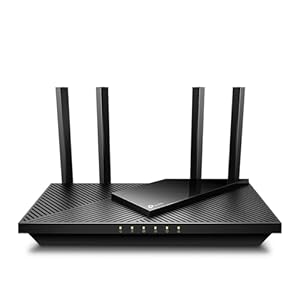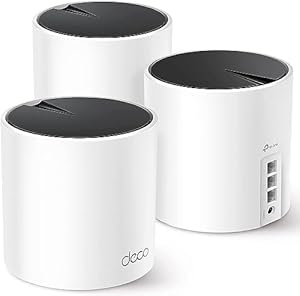
The ultimate comparison between legacy geostationary satellite (HughesNet) and next-generation LEO satellite (Starlink) — speeds, latency, data policies, pricing, equipment, and our recommendation for every scenario.
Quick Verdict
Starlink wins in performance by a wide margin — faster speeds (50–250 Mbps vs. 25–100 Mbps), dramatically lower latency (20–50ms vs. 600ms+), and unlimited data (vs. 15–200 GB caps). HughesNet wins on price — starting at $50/month vs. Starlink's $120/month. If budget is your top constraint and you only need basic internet, HughesNet is cheaper. If you need internet that actually supports streaming, video calls, gaming, or remote work, Starlink is the only satellite option worth considering.
Head-to-Head Comparison
| Feature | HughesNet | Starlink | Winner |
|---|---|---|---|
| Technology | GEO Satellite (22,000 mi) | LEO Satellite (340 mi) | Starlink |
| Download Speed | 25–100 Mbps | 50–250 Mbps | Starlink |
| Upload Speed | 3–5 Mbps | 10–30 Mbps | Starlink |
| Latency | 600–800ms | 20–50ms | Starlink |
| Data Caps | 15–200 GB hard caps | Unlimited | Starlink |
| Starting Price | $50/mo | $120/mo | HughesNet |
| Equipment Cost | $15/mo lease or $450 | $299 or $15/mo | Starlink |
| Contract | 24 months ($400 ETF) | None | Starlink |
| Coverage | Lower 48 states | All 50 states + territories | Starlink |
| Installation | Professional required | Self-install (30 min) | Starlink |
| Gaming | Unplayable (600ms+) | Playable (20–50ms) | Starlink |
| Video Calls | Unreliable | Reliable | Starlink |
The Latency Gap: Why It Matters
The single most important difference between HughesNet and Starlink is latency. HughesNet satellites orbit at 22,236 miles above Earth; signals travel ~44,000 miles round-trip, creating 600–800ms delays. Starlink satellites orbit at just ~340 miles, creating 20–50ms delays.
What this means in practice:
| Activity | HughesNet (600ms+) | Starlink (20–50ms) |
|---|---|---|
| Web browsing | ~1 sec delay per click | Near-instant response |
| Zoom/Teams calls | Noticeable delay, frequent drops | Works perfectly |
| Online gaming | Unplayable for multiplayer | Playable for most games |
| VPN (remote work) | Sluggish, may time out | Works normally |
| Voice calls (VoIP) | Delay-heavy, awkward pauses | Natural conversation |
| Streaming video | Works but slow to start | Instant playback |
Data: Unlimited vs. Capped
Starlink provides unlimited data on all plans. HughesNet caps data at 15–200 GB depending on your plan, then throttles to 1–3 Mbps.
To illustrate the gap: the average US household uses 500–600 GB per month. Even HughesNet's most expensive plan (200 GB at $150/mo) provides less than 40% of average consumption. Starlink at $120/mo provides unlimited data with no throttling.
Price Comparison: True Monthly Cost
| Cost Component | HughesNet Select | HughesNet Fusion 100 | Starlink Standard |
|---|---|---|---|
| Monthly service | $50 | $150 | $120 |
| Equipment | $15/mo lease | $15/mo lease | $299 or $15/mo |
| Effective monthly | $65/mo | $165/mo | $120–$135/mo |
| Data included | 15 GB | 100–200 GB | Unlimited |
| Cost per GB | $4.33/GB | $0.83–$1.65/GB | $0 (unlimited) |
The $50/month HughesNet Select plan looks cheap until you realize it includes only 15 GB — that's $4.33 per gigabyte. Starlink's unlimited data at $120/month provides infinitely better value per GB.
When HughesNet Makes Sense
- Strict budget: If $120/month is not affordable, HughesNet's $50/month plan provides basic connectivity
- Very light usage: Email, occasional web browsing, no streaming — 15 GB may suffice
- Starlink waitlist: If Starlink isn't immediately available, HughesNet can fill the gap
- Secondary connection: Backup internet for a rarely-used property
When Starlink Makes Sense
- Streaming households: Unlimited data supports Netflix, YouTube, Hulu without worrying about caps
- Remote work: Low latency makes Zoom, Teams, and VPN connections reliable
- Gaming: 20–50ms latency enables online multiplayer
- Multi-user households: 50–250 Mbps supports multiple simultaneous users
- Anyone who wants real broadband: Starlink performs like cable internet, not legacy satellite
Our Recommendation
For the vast majority of satellite internet shoppers, Starlink is the clear winner. The $70/month premium over HughesNet's cheapest plan buys you 2.5–10x faster speeds, 12–30x lower latency, unlimited data, no contract, and easier installation. The only scenario where HughesNet makes sense is if budget absolutely does not allow $120/month and you need the cheapest possible internet connection.
If you're currently on HughesNet and considering an upgrade, also check Dish Internet (same Starlink network, bundleable with Dish TV) and T-Mobile 5G Home Internet ($50/month where available).
Frequently Asked Questions
Is Starlink worth the extra cost over HughesNet?
For most users, yes. Starlink delivers 50–250 Mbps (vs. 25–100 Mbps), 20–50ms latency (vs. 600ms+), and unlimited data (vs. 15–200 GB caps). The $70/month premium buys a fundamentally different internet experience that supports streaming, gaming, and remote work.
Can I switch from HughesNet to Starlink?
Yes, but be aware of HughesNet's early termination fee ($400 minus $15/month completed). If you have months remaining on your HughesNet contract, calculate whether the ETF is worth paying to switch. Many users find the improvement worth the one-time cost.
Is HughesNet fast enough for Netflix?
HughesNet can stream Netflix in HD, but you'll burn through data quickly. On the 15 GB plan, you get about 15 hours of HD streaming per month before throttling. Starlink has no such limitation. If streaming is important, Starlink is the better choice.
Which has better customer service, HughesNet or Starlink?
HughesNet offers phone support and chat. Starlink uses an online ticket system with no phone support (24–48 hour response). HughesNet has more traditional support channels, but Starlink's self-service tools (app-based diagnostics) resolve most issues without needing to contact support.
Is HughesNet going out of business?
No. HughesNet (operated by Hughes Network Systems, owned by EchoStar) continues to operate and invest in its network, including the Fusion hybrid technology and the Jupiter 3 satellite launched in 2023. However, HughesNet faces increasing competitive pressure from Starlink and 5G home internet.
Related Resources
- HughesNet Review 2026
- HughesNet Plans & Pricing
- HughesNet Gen5 vs. Fusion
- HughesNet vs. Viasat
- Dish Internet Review (Starlink)
- Starlink Provider Page
- HughesNet Provider Page
- Best Satellite Internet
HughesNet vs. Starlink: Side-by-Side Comparison (2026)
The satellite internet market has two fundamentally different technologies competing: HughesNet's geostationary (GEO) satellite at 22,000 miles altitude versus Starlink's low-Earth orbit (LEO) constellation at 340 miles. This altitude difference explains nearly every performance gap:
| Feature | HughesNet (Jupiter 3) | Starlink | Winner |
|---|---|---|---|
| Download Speed | 25–100 Mbps | 50–250 Mbps | Starlink |
| Upload Speed | 3–5 Mbps | 10–30 Mbps | Starlink |
| Latency | 500–700 ms | 20–50 ms | Starlink |
| Data Cap | 15–200 GB/mo | No hard cap | Starlink |
| Monthly Price | $49.99–$94.99 | $120+ | HughesNet |
| Hardware Cost | $0 (leased) or $450 | $599–$2,500 | HughesNet |
| Contract | 2-year ($400 ETF) | None | Starlink |
| Availability | All 50 states (immediate) | All 50 states (may have waitlist) | Tie |
The Latency Factor: Why It Matters More Than Speed
The most critical difference is latency. HughesNet's 500–700 ms latency (the time for data to travel to the satellite and back) means:
- Video calls are impaired: Zoom, Teams, and FaceTime have noticeable delays and frequent stuttering on HughesNet. Starlink's 20–50 ms latency makes video calls feel like a wired connection.
- Web browsing feels sluggish: Every click, search, and page load includes a 500+ ms delay before any data starts loading. On Starlink, pages begin loading almost instantly.
- Online gaming is not viable on HughesNet: 500+ ms latency makes real-time multiplayer games unplayable. Starlink's 20–50 ms supports most games adequately.
- VPN performance: Remote workers using VPN on HughesNet experience compounded latency (often 800+ ms round-trip). Starlink VPN latency is 40–100 ms, which is workable.
Cost Analysis: 1-Year and 3-Year Total Cost of Ownership
| Cost Component | HughesNet (Connect More) | Starlink (Standard) |
|---|---|---|
| Hardware | $0 (leased) | $599 |
| Monthly fee | $84.99 | $120 |
| Year 1 total | $1,019.88 | $2,039 |
| Year 2 total | $2,039.76 | $3,479 |
| Year 3 total | $3,059.64 | $4,919 |
| Cost per GB (100 GB/mo) | $0.85/GB | $0.12/GB (at 1 TB/mo usage) |
HughesNet costs $1,000–2,000 less over three years. However, when you factor in that Starlink provides unlimited data while HughesNet caps you at 100 GB, the cost per usable gigabyte heavily favors Starlink for data-heavy households.
When HughesNet Is the Better Choice
- Budget is the top priority: At $50–$95/mo with no hardware cost, HughesNet is substantially cheaper for light users.
- Low data consumption: If your household uses under 50 GB/mo (email, light browsing, occasional SD streaming), HughesNet's cap is adequate.
- Starlink is waitlisted in your area: HughesNet is available immediately everywhere. Starlink may have a 1–6 month waitlist in some regions.
- Temporary housing: HughesNet's leased equipment avoids the $599 Starlink hardware purchase for short-term living situations.
When Starlink Is the Better Choice
- Work from home: Video calls, VPN, and cloud applications require low latency that only Starlink provides among satellite options.
- Streaming household: If anyone in your home watches HD or 4K video regularly, HughesNet's data caps will be exhausted within days.
- Multiple users: Families of 3+ sharing the connection will quickly blow through HughesNet's data caps.
- Online gaming: Starlink is the only satellite option that supports real-time gaming.
- No contract desired: Starlink has no commitment; HughesNet locks you in for 2 years.
HughesNet vs. Starlink FAQs
Can I switch from HughesNet to Starlink?
Yes, but consider the timing. If you are within HughesNet's 2-year contract, you will owe an early termination fee (up to $400 minus $16.67 for each completed month). Order Starlink first to confirm availability and delivery timeline, then cancel HughesNet once Starlink is installed and working. The equipment return window for HughesNet is 45 days after cancellation.
Is Starlink really 10x faster than HughesNet?
On average downloads, Starlink is about 2–3x faster (150 Mbps vs. 50–100 Mbps). The bigger difference is latency—Starlink is 10–25x faster on latency (30 ms vs. 600 ms), which affects how responsive everything feels. For web browsing and video calls, the experience gap feels like more than 10x due to the latency reduction.
Will HughesNet ever match Starlink speeds?
HughesNet's geostationary technology has a fundamental physics limitation: the 22,000-mile satellite altitude creates unavoidable 500+ ms latency. Download speeds may improve with future satellites, but the latency gap is permanent. HughesNet's parent company (EchoStar) has invested in LEO satellite technology, but any competing LEO constellation is years from deployment.
For detailed plan-by-plan pricing, see our HughesNet pricing guide. For HughesNet's different plan tiers, check the Gen5 vs. Fusion comparison. Read our full HughesNet review for the complete assessment.
Pros and Cons
HughesNet
Pros
- Speeds up to 100 Mbps
- Wide availability across 50 states
- Transparent pricing with no hidden fees
Cons
- Data caps may result in overage fees or throttling
- Requires a contract commitment
Starlink
Pros
- No data caps on any plan
- No annual contracts required
- Speeds up to 220 Mbps
- Wide availability across 50 states
Cons
- Upload speeds vary by plan and technology
How Much Speed Do You Actually Need?
Before comparing HughesNet and Starlink plans, determine the speed tier your household actually requires. Overpaying for speed you cannot use wastes money; underpaying leads to buffering and frustration.
| Household Activity | Minimum Speed | Recommended |
|---|---|---|
| Email and web browsing (1-2 people) | 25 Mbps | 50-100 Mbps |
| HD streaming on 2-3 devices | 50 Mbps | 100-200 Mbps |
| 4K streaming + gaming (family of 4) | 100 Mbps | 300-500 Mbps |
| Remote work (video calls + cloud sync) | 50 Mbps down / 10 Mbps up | 200+ Mbps symmetric |
| Content creation (video upload, streaming) | 100 Mbps down / 50 Mbps up | 500+ Mbps symmetric |
| Smart home (20+ IoT devices) | 100 Mbps | 300+ Mbps |
| Large household (6+ people, heavy use) | 300 Mbps | 500 Mbps - 1 Gbps |
Most U.S. households use between 200-500 Mbps effectively. Gigabit plans provide headroom for future devices and simultaneous heavy use but are not necessary for typical streaming and browsing. Match your plan choice to your actual usage to get the best value from either HughesNet or Starlink.
Switching Checklist: HughesNet to Starlink (or Vice Versa)
If you are changing providers, follow this checklist to ensure a smooth transition with no internet downtime.
- Verify availability: Confirm HughesNet or Starlink serves your exact address. Coverage varies by street and building.
- Check your current contract: HughesNet may have early termination fees. Starlink has no contracts — cancel anytime.
- Schedule installation overlap: Keep your current service active until the new provider is installed and working. A few days of overlap prevents an internet gap.
- Return equipment: Return your current provider's modem, router, or gateway to avoid unreturned equipment charges (typically $100-$300). Both providers offer prepaid return shipping or in-store drop-off.
- Update WiFi settings: If you want to keep the same WiFi network name and password, configure the new router to match your old settings. This prevents having to reconnect every device in your home.
- Test the new connection: Run speed tests at different times of day for the first week. If speeds are consistently below what you are paying for, contact the new provider's technical support.
- Cancel old service: Call your previous provider to cancel only after confirming the new service works. Request written confirmation of the cancellation and final bill date.
Additional Questions About HughesNet vs. Starlink
Which is better for streaming — HughesNet or Starlink?
For streaming, both providers offer sufficient download speeds. The key differences are upload speed (important if you also stream content to Twitch or YouTube) and data caps. HughesNet has data caps that heavy streamers should monitor. Starlink has no data caps, so you can stream without limits. For 4K streaming, any plan with 50+ Mbps download speed is sufficient per device.
Can I use my own router with HughesNet or Starlink?
In most cases, yes. HughesNet allows compatible third-party modems and routers — check their approved equipment list. Starlink allows compatible third-party modems and routers — check their approved equipment list. Using your own router eliminates the monthly equipment rental fee and often provides better WiFi performance than ISP-supplied devices.
What happens if I move — can I keep my HughesNet or Starlink service?
HughesNet is available in 50 states, and Starlink is available in 50 states. HughesNet has broad national coverage, making it easier to keep your service when relocating. Starlink has broad national coverage, making it easier to keep your service when relocating. Both providers allow you to transfer service to a new address within their coverage area.
Is HughesNet or Starlink better for working from home?
Remote work depends heavily on upload speed and connection stability. HughesNet's upload speeds are typically 5-10% of download speeds with cable technology. Starlink's upload speeds are limited with LEO Satellite technology. For households with multiple remote workers, fiber with symmetric speeds provides the most reliable experience.
How do I check if HughesNet or Starlink is available at my address?
Visit each provider's website and enter your address in their availability checker. hughesnet.com and starlink.com both offer instant address verification. Availability can vary block by block, so always check your specific address rather than assuming coverage based on your city or ZIP code.
Sources & Methodology
This article uses data from FCC Broadband Data Collection reports, U.S. Census Bureau demographics, and verified provider pricing and plan information. Pricing, speeds, and availability are verified against provider broadband nutrition labels and may vary by location. For a detailed explanation of our data collection and scoring process, see our methodology page.
Data Sources
- FCC Broadband Data Collection
- U.S. Census Bureau American Community Survey
- USAC Universal Service Fund
- NTIA Internet Use Survey
Last verified: March 2026. InternetProviders.ai is an independent resource. We may earn commissions from partner links — this does not affect our editorial recommendations. See our methodology for details.