Spectrum advertises download speeds of 300 Mbps, 500 Mbps, and 1,000 Mbps across its three residential tiers. But what speeds do customers actually experience? In this analysis, we examine FCC broadband measurement data, independent speed test results, and real-world performance metrics to give you an honest picture of Spectrum’s speed delivery in 2026.
Advertised vs. Actual Download Speeds
The FCC’s Measuring Broadband America (MBA) program conducts independent testing of major ISPs using dedicated hardware installed in customer homes. The most recent data shows Spectrum performs well on download speeds, consistently meeting or exceeding advertised rates across all plan tiers.
| Plan | Advertised Down | Median Actual Down | % of Advertised |
|---|---|---|---|
| Spectrum Internet | 300 Mbps | 305 Mbps | 101.7% |
| Spectrum Internet 500 | 500 Mbps | 510 Mbps | 102.0% |
| Spectrum Internet 1 Gig | 1,000 Mbps | 980 Mbps | 98.0% |
These results place Spectrum among the top-performing cable ISPs for download speed consistency. The slight under-delivery on the Gig plan is typical for cable connections at gigabit speeds, where DOCSIS 3.1 protocol overhead reduces the theoretical maximum that can be delivered to an end device. In practice, the 20 Mbps difference between 980 and 1,000 Mbps is imperceptible to users.
Upload Speed Reality Check
Upload speeds tell a different story. Spectrum’s upload performance is the weakest aspect of its service, especially compared to fiber providers. The asymmetric nature of cable internet means upload channels receive a small fraction of the total bandwidth allocation.
| Plan | Advertised Up | Median Actual Up | Fiber Equivalent Upload |
|---|---|---|---|
| Spectrum Internet | 10 Mbps | 11.5 Mbps | 300 Mbps (AT&T Fiber) |
| Spectrum Internet 500 | 20 Mbps | 21 Mbps | 500 Mbps (Frontier Fiber) |
| Spectrum Internet 1 Gig | 35 Mbps | 34 Mbps | 1,000 Mbps (Google Fiber) |
The gap between Spectrum’s upload speeds and fiber alternatives is enormous—ranging from 26x to 29x slower. This is a physical limitation of the DOCSIS protocol, which allocates the majority of available spectrum to downstream channels. Charter Communications is deploying DOCSIS 4.0 in some markets, which will improve upload capacity significantly, but widespread rollout is still underway and it will take years to reach all customers.
Why Upload Speed Matters in 2026
Upload speed has become increasingly important as internet usage patterns have shifted. Activities that depend on upload bandwidth include:
- Video conferencing: Zoom, Teams, and Google Meet use 2–5 Mbps upload per HD call. Two people on calls simultaneously consume 4–10 Mbps—potentially saturating the base plan’s 10 Mbps upload.
- Cloud storage: Backing up photos and videos to iCloud, Google Drive, or Dropbox. Uploading 5 GB of photos takes ~60 minutes at 10 Mbps but only ~2 minutes at 300 Mbps.
- Content creation: Uploading a 20 GB YouTube video takes ~4.4 hours at 10 Mbps versus ~9 minutes at 300 Mbps.
- Smart home devices: Security cameras that upload footage to the cloud need 2–5 Mbps per camera.
- Gaming: Streaming gameplay to Twitch at 1080p/60fps requires 6–8 Mbps upload sustained.
Latency and Jitter Performance
Latency (ping time) measures the round-trip delay between your device and a server. Lower is better, especially for gaming, video conferencing, and VoIP calls. Jitter measures the variation in latency—high jitter causes inconsistent performance even if average latency is acceptable.
| Technology | Average Latency | Average Jitter |
|---|---|---|
| Spectrum (Cable) | 18–25 ms | 3–7 ms |
| AT&T Fiber | 5–12 ms | 1–3 ms |
| Google Fiber | 3–10 ms | 1–2 ms |
| DSL | 25–45 ms | 5–15 ms |
| 5G Fixed Wireless | 20–50 ms | 5–20 ms |
| Satellite (GEO) | 500–700 ms | 20–50 ms |
Spectrum’s latency performance is respectable for cable internet and adequate for all but the most competitive gaming scenarios. The 18–25 ms range means you will not notice significant delay in everyday use, video calls, or casual online gaming. However, competitive FPS players who need sub-15 ms ping will find fiber internet provides a measurable advantage.
Peak Hour Performance
Cable internet shares bandwidth among users on the same neighborhood node. During evening peak hours (7–11 PM), when many households are streaming simultaneously, download speeds on Spectrum’s network typically drop by 5–15% depending on local congestion levels. This is consistent with other cable providers and is inherent to the shared-medium technology.
FCC data shows Spectrum maintains approximately 95% of advertised speeds during peak hours for the 300 Mbps plan, and 92–94% for the Gig plan. These numbers are above average for cable ISPs, suggesting Charter does a reasonable job of managing network capacity. However, individual experiences vary significantly based on how many active users share your local node. In heavily populated areas, peak-hour degradation can be more noticeable.
Speed by Connection Type
Wired (Ethernet) Connection
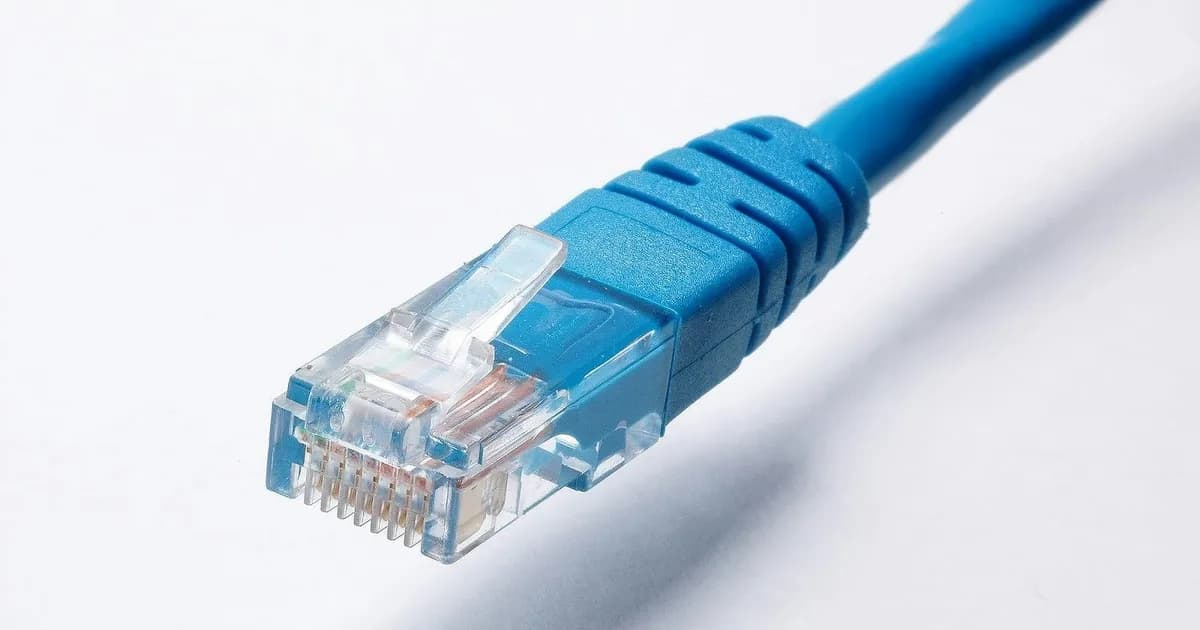
For the most accurate speed results, connect directly to your modem or router via Ethernet cable. Wired connections eliminate WiFi interference and consistently deliver speeds within 5% of your plan’s maximum. For the Gig plan, you need a Gigabit Ethernet (1 GbE) adapter to measure full speeds—100 Mbps Ethernet adapters will bottleneck at approximately 94 Mbps regardless of your plan speed.
WiFi Performance
WiFi speeds depend heavily on your router model, distance from the router, wall materials and interference sources, the number of connected devices, and the WiFi standard your device supports. Typical WiFi performance relative to wired speeds:
- Same room, WiFi 6: 70–90% of wired speed
- One room away, WiFi 6: 50–75% of wired speed
- Two rooms away or different floor: 30–60% of wired speed
- WiFi 5 (older devices): 40–65% of wired speed in most conditions
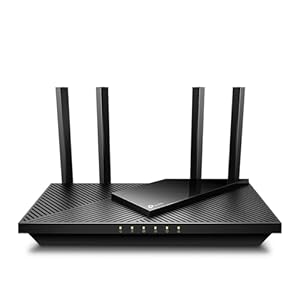
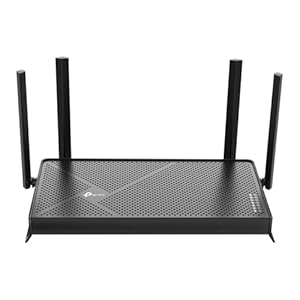
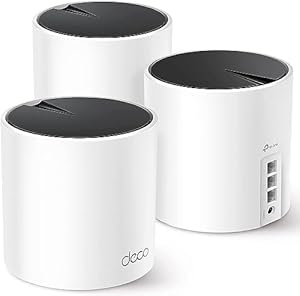
If you’re using Spectrum’s included WiFi 6 router, consider upgrading to a dedicated WiFi 6E or WiFi 7 router for the best wireless performance, especially on the Ultra and Gig plans. See our Spectrum equipment guide for specific router recommendations.
How to Test Your Spectrum Speed
- Connect your computer directly to the modem or router via Ethernet cable (bypasses WiFi limitations)
- Close all other programs, browser tabs, and background downloads on the test device
- Pause any cloud syncing services (Dropbox, Google Drive, iCloud) on all devices
- Visit speedtest.net or fast.com and run the test
- Run the test at different times of day (morning, afternoon, evening) to see peak vs. off-peak performance
- Compare your results to the tables above to determine if your speeds are within expected range
If your speeds are consistently 20% or more below your plan’s advertised speed on a wired connection, contact Spectrum technical support. The issue may be a faulty modem, a problem with the coaxial cable line to your home, signal degradation from a splitter, or congestion on your local node that requires a technician visit. You can also try restarting your modem (unplug for 30 seconds, then reconnect) as a first troubleshooting step.
DOCSIS 4.0 and Future Speed Upgrades
Charter Communications has begun deploying DOCSIS 4.0 technology, which represents the most significant cable internet upgrade in over a decade. DOCSIS 4.0 will enable multi-gigabit download speeds and, critically, dramatically improved upload speeds over existing cable infrastructure without requiring new fiber runs to each home.
Key improvements include:
- Download speeds: Up to 10 Gbps theoretical maximum, with real-world plans likely to offer 2–5 Gbps
- Upload speeds: Up to 6 Gbps theoretical, with real-world plans expected to offer 200–500 Mbps upload—a massive improvement over current 10–35 Mbps
- Lower latency: Improved channel bonding and Full Duplex DOCSIS (FDD) reduce congestion-related delays
- Better peak-hour performance: Increased capacity per node means less degradation during busy periods
As of March 2026, DOCSIS 4.0 is available in select markets. Charter expects broader rollout through 2026 and 2027, with nationwide coverage potentially achieved by 2028–2029. If you are in a DOCSIS 4.0 area, contact Spectrum to inquire about upgraded plans. The upload speed improvements alone could make cable internet competitive with fiber for many users.
Frequently Asked Questions
Why is my Spectrum upload speed so slow?
Cable internet uses DOCSIS technology, which allocates more bandwidth to downloads than uploads. This is a fundamental limitation of the technology, not a service issue Spectrum can fix on a per-customer basis. If you need faster uploads, fiber internet from providers like AT&T Fiber or Frontier Fiber offers symmetric speeds where upload matches download.
Does Spectrum throttle internet speeds?
Spectrum does not throttle speeds based on data usage (there are no data caps). However, network congestion during peak hours can reduce speeds by 5–15%, which is a natural characteristic of shared cable infrastructure, not deliberate throttling. If you experience consistent speed issues, contact Spectrum to rule out equipment or line problems.
What is a good Spectrum speed test result?
On a wired Ethernet connection, you should see at least 80–90% of your plan’s advertised download speed. Results above 95% are excellent. On WiFi, 50–80% is typical depending on your router quality and distance from it. If you consistently see less than 70% on a wired connection, there may be a problem worth investigating.
Is Spectrum fast enough for 4K streaming?
Yes. 4K streaming requires approximately 25 Mbps per stream. The base 300 Mbps plan can support 10+ simultaneous 4K streams without issue. Bandwidth is almost never the bottleneck for streaming on Spectrum. For plan details, see our Spectrum plans guide.
When will Spectrum upgrade to faster speeds?
Charter is actively rolling out DOCSIS 4.0 technology, which will bring significantly faster download and upload speeds. Check with Spectrum for availability in your area, as the rollout is market-by-market. In the meantime, the existing DOCSIS 3.1 network delivers strong download performance.
Is a wired connection really that much faster than WiFi?
Yes. A wired Ethernet connection typically delivers 95–100% of your plan’s speed, while WiFi delivers 30–90% depending on conditions. For any activity where maximum speed matters (large downloads, speed tests, competitive gaming), wired is always better.
Speed data from FCC Measuring Broadband America and independent testing. See our methodology for how we evaluate speed performance. Check availability at your address.
Real-World Spectrum Speed Test Results
Advertised speeds and actual delivered speeds are two different things. Spectrum uses DOCSIS 3.1 cable technology for its internet service, which means speeds can be affected by network congestion during peak usage hours, the condition of the coaxial wiring in your home, and the capabilities of your modem and router.
What Speeds to Expect on Each Spectrum Plan
The FCC's Broadband Facts labels require providers to disclose typical speeds. Here is what Spectrum subscribers generally experience on each tier:
| Plan | Advertised Download | Typical Download | Advertised Upload | Typical Upload |
|---|---|---|---|---|
| Spectrum Internet | 300 Mbps | 280-310 Mbps | 10 Mbps | 8-11 Mbps |
| Spectrum Internet 500 | 500 Mbps | 460-520 Mbps | 20 Mbps | 18-22 Mbps |
| Spectrum Internet 1 Gig | 1 Gbps | 800-940 Mbps | 35 Mbps | 30-37 Mbps |
Download speeds on Spectrum plans typically meet or exceed the advertised rate for wired Ethernet connections. WiFi speeds will be lower due to signal interference, distance from the router, and the WiFi standard your device supports. A WiFi 6 device connected in the same room as the router will get significantly better speeds than a WiFi 5 device two rooms away.
Why Spectrum Upload Speeds Are Asymmetric
One of the most common criticisms of Spectrum is its relatively slow upload speeds. The base plan offers just 10 Mbps upload, and even the Gig plan caps at 35 Mbps. This is a limitation of cable (DOCSIS 3.1) technology, which allocates most bandwidth to downloads. For comparison:
- AT&T Fiber — Symmetric speeds (1 Gbps down / 1 Gbps up on the 1000 plan)
- Verizon Fios — Symmetric speeds (1 Gbps down / 1 Gbps up on Gigabit Connection)
- Frontier Fiber — Symmetric speeds (1 Gbps down / 1 Gbps up on Fiber 1 Gig)
- Xfinity — Asymmetric, similar to Spectrum (up to 200 Mbps upload on highest tier)
If you regularly upload large files, participate in video conferencing, livestream, or back up data to the cloud, the upload speed limitation on Spectrum may be a dealbreaker. In those cases, a fiber provider with symmetric speeds is a better fit.
Factors That Affect Your Spectrum Speed
Several variables can cause your actual Spectrum speed to differ from the advertised maximum:
- Peak-hour congestion — Cable internet is a shared medium. Speeds may dip during evenings (7-11 PM) when neighbors on the same node are streaming and gaming simultaneously. Spectrum has invested in network upgrades to reduce congestion, but it remains a factor in dense neighborhoods.
- Modem and router quality — Spectrum includes a free modem, but the router is an optional $5/mo rental. Using a high-quality DOCSIS 3.1 modem and WiFi 6 router from your own equipment can improve performance and eliminate the rental fee.
- In-home wiring — Old or damaged coaxial cables can reduce speeds. If your home has coax splitters distributing signal to multiple rooms, each split reduces signal strength.
- Number of connected devices — Each device consumes bandwidth. A household with 15+ connected devices may notice slower individual speeds, especially on the 300 Mbps plan.
How to Get the Best Speed from Spectrum
- Use Ethernet for critical devices — Connect your gaming console, work computer, or streaming device directly to the modem/router with an Ethernet cable for the fastest, most stable connection.
- Upgrade your router — If you are renting Spectrum's router, consider purchasing a WiFi 6 or WiFi 6E router. A quality router costs $80-$150 and pays for itself in 16-30 months of saved rental fees.
- Position your router centrally — Place the router in a central, elevated location away from walls, microwaves, and other electronics that can interfere with WiFi signals.
- Run regular speed tests — Use Spectrum's own speed test tool or Ookla Speedtest (speedtest.net) to monitor your connection. If speeds consistently fall below 80% of your advertised tier, contact Spectrum support.
Frequently Asked Questions
Does Spectrum throttle internet speeds?
Spectrum does not throttle speeds based on usage or content type. As a condition of its merger approval, Charter Communications (Spectrum's parent) agreed to not impose data caps or throttle traffic. However, during peak congestion periods, cable internet speeds may naturally slow due to shared network capacity.
What is a good speed test result for Spectrum?
On a wired connection, you should see download speeds within 80-100% of your plan's advertised rate. For the 300 Mbps plan, 240+ Mbps is acceptable. For Gig, 800+ Mbps is typical. WiFi speeds are inherently lower and depend on your router, distance, and interference.
Why are Spectrum upload speeds so slow?
Spectrum uses DOCSIS 3.1 cable technology, which divides available bandwidth asymmetrically between downloads and uploads. Most of the bandwidth is allocated to downloads since typical consumer usage is heavily download-oriented (streaming, browsing, gaming). DOCSIS 4.0, which Spectrum is beginning to deploy, will significantly improve upload speeds to 200+ Mbps.
Can I use my own modem and router with Spectrum?
Yes. Spectrum allows you to use your own DOCSIS 3.1 modem at no charge (the free modem is also DOCSIS 3.1). For the router, you can use any WiFi router instead of renting Spectrum's for $5/mo. Make sure your modem is on Spectrum's approved device list for optimal compatibility.
For a complete breakdown of Spectrum's current plans and pricing, see our Spectrum plans guide. To compare Spectrum's speeds with competitors, check our Spectrum vs. AT&T comparison or Spectrum provider page.
Market Context
The broadband market concentration in the United States varies based on population density and infrastructure investment. According to FCC broadband deployment data, median household income and population density are key factors in service availability and pricing. The BEAD (Broadband Equity, Access, and Deployment) program may expand options in underserved areas of the United States.
Find the best deal. Compare internet providers available at your address to view current plans and pricing.