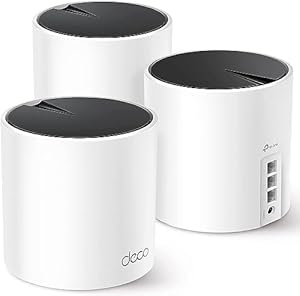
Cox vs T-Mobile 5G: Comparing Cox and T-Mobile 5G, Cox provides the best overall package with cable. Fiber starting at $50/month, while T-Mobile 5G plans begin at $50/month with 5G fixed wireless.
Introduction: Cox Internet vs T-Mobile 5G Home Internet
Choosing between Cox Internet and T-Mobile 5G Home Internet requires careful analysis of speed, pricing, coverage, and contract terms. Cox Internet, founded in 1962, operates primarily on Cable technology with maximum speeds reaching 2 Gbps. Meanwhile, T-Mobile 5G Home Internet, established in 1994, delivers internet through 5G infrastructure with speeds up to 245 Mbps.
This comprehensive comparison examines every aspect of both providers to help you make an informed decision. We've analyzed real-world performance data, pricing structures, coverage maps, and customer feedback to present an unbiased evaluation. Whether you prioritize raw speed, affordability, reliability, or flexibility, this guide breaks down which provider excels in each category.
Both providers serve distinct market segments with different strengths. Cox Internet is Users in Cox service areas wanting fast cable. While T-Mobile 5G Home Internet is Users wanting easy setup with no contracts or caps. Understanding these positioning differences is crucial to selecting the right provider for your household or business needs.
Quick Comparison Table
| Feature | Cox Internet | T-Mobile 5G Home Internet |
|---|---|---|
| Technology | Cable | 5G |
| Max Speed | 2 Gbps | 245 Mbps |
| Starting Price | $50/mo | $40/mo |
| Contract Required | Yes | No |
| Data Cap | 1.25 TB | None |
| Best For | Users in Cox service areas wanting fast cable | Users wanting easy setup with no contracts or caps |
Cox Internet Overview
Headquarters: Atlanta, GA | Founded: 1962
Cox Internet has established itself as a Regional cable leader with a focus on Cable technology deployment. The provider offers maximum download speeds of 2 Gbps, making it suitable for households with heavy streaming, gaming, and remote work requirements. With plans starting at $50/mo, Cox Internet positions itself in the premium pricing segment.
Key Features & Plans
Cox Internet's infrastructure leverages Cable technology to deliver consistent performance. The provider's network architecture supports 2 Gbps download speeds in optimal conditions, though actual speeds vary by location and plan tier. Data management policies include 1.25 TB, which impacts users with high consumption patterns.
Pros & Cons
Advantages:
- Fast speeds up to 2 Gbps
- Panoramic WiFi available
- Good bundle options
Disadvantages:
- Contracts often required
- 1.25 TB data cap
- Higher starting prices
- Limited availability
Check availability:
T-Mobile 5G Home Internet Overview
Headquarters: Bellevue, WA | Founded: 1994
T-Mobile 5G Home Internet, operating as a 5G home internet pioneer, delivers internet services through 5G infrastructure. With maximum speeds reaching 245 Mbps and entry-level pricing at $40/mo, the provider targets Users wanting easy setup with no contracts or caps. The company's service philosophy emphasizes affordability and flexibility.
Key Features & Plans
T-Mobile 5G Home Internet's network utilizes 5G technology to provide internet connectivity across its service footprint. Speed capabilities max out at 245 Mbps, with performance varying based on location-specific infrastructure. The provider implements None, affecting users' unlimited usage expectations.
Pros & Cons
Advantages:
- No contracts
- No data caps
- Easy self-install
- Great for rural areas
Disadvantages:
- Speeds vary by location
- Lower max speeds than cable/fiber
- Dependent on tower proximity
Check availability: Check Availability
Speed Comparison: Performance Analysis
Internet speed represents one of the most critical decision factors for modern households. Cox Internet delivers maximum download speeds of 2 Gbps through its Cable network. While T-Mobile 5G Home Internet offers up to 245 Mbps via 5G infrastructure. These peak speeds tell only part of the story—real-world performance depends on network congestion, distance from infrastructure, and plan tier selection.
Cable technology, used by Cox Internet, delivers reliable performance for most household needs, though upload speeds typically lag behind downloads. In comparison, 5G infrastructure from T-Mobile 5G Home Internet provides adequate speeds for streaming and browsing, with some performance variation during peak hours.
Upload speeds matter significantly for remote workers, content creators, and gamers. Cable-based services from Cox Internet typically deliver upload speeds around 10-35 Mbps on most plans, suitable for basic video conferencing. Limiting for large file uploads. T-Mobile 5G Home Internet's 5G network follows similar upload patterns typical of its technology type.
Latency (ping) performance impacts online gaming and real-time applications. Both providers deliver acceptable latency for most online activities. For competitive gamers or those using VR applications, lower latency becomes non-negotiable, making fiber the clear winner when available.
Pricing Breakdown: Cost Analysis
Pricing transparency and long-term value separate budget-friendly providers from expensive options. Cox Internet starts at $50/mo, while T-Mobile 5G Home Internet begins at $40/mo. These advertised rates typically represent promotional pricing for the first 12 months, with standard rates applying afterward. Understanding the total cost of ownership requires examining installation fees, equipment rental, and post-promotional pricing.
Installation and activation fees add to first-month costs. Cox Internet typically charges $100-150 for professional installation, though self-install options reduce this to $15-30. T-Mobile 5G Home Internet offers free installation during promotional periods, otherwise charging $75-100 for professional setup.
Equipment rental fees impact monthly costs significantly. Cox Internet charges $10-15 monthly for modem/router rental, though customer-owned equipment eliminates this fee. T-Mobile 5G Home Internet provides required equipment as part of the service package.
Data overage charges affect households exceeding monthly caps. Cox Internet's 1.25 TB means users exceeding limits pay $10 per 50 GB, potentially adding $50+ monthly. T-Mobile 5G Home Internet's None eliminates overage concerns entirely.
Coverage & Availability
Service availability determines whether price and speed comparisons matter at all. Cox Internet operates primarily across 18 states in the Southwest, Southeast, and parts of the Midwest, with coverage concentrated in suburban and urban areas. Infrastructure limitations mean many addresses fall outside the service footprint, requiring users to check availability before considering the provider.
T-Mobile 5G Home Internet maintains coverage in its designated service territories. The provider's 5G infrastructure focuses on population-dense regions where infrastructure investment proves economically viable. Expansion plans continue extending service to underserved rural communities.
Urban versus rural availability creates stark service differences. Cox Internet prioritizes metropolitan areas and suburbs, leaving rural customers with limited options. T-Mobile 5G Home Internet similarly concentrates on profitable urban/suburban markets. Rural residents often face choosing between limited providers rather than comparing multiple competitive options.
Contract Terms & Fees
Contract requirements and termination policies impact long-term flexibility. Cox Internet requires 1-2 year contracts on most plans, with early termination fees (ETFs) around $15 per remaining month. Contract-free flexibility benefits renters, frequent movers, and anyone uncertain about long-term needs, while contracts typically secure lower promotional rates.
T-Mobile 5G Home Internet provides no-contract service, letting customers cancel or change plans without financial penalties. Price lock guarantees typically don't exist, meaning providers can raise rates with 30 days notice.
Hidden fees inflate advertised pricing. Broadcast TV fees ($15-25 monthly on bundles), regional sports fees ($10-15), and administrative charges ($3-5) add $30-50 to monthly bills. Cox Internet itemizes these fees separately, making bills difficult to predict. T-Mobile 5G Home Internet maintains more transparent all-inclusive pricing.
Bottom Line: Which Provider Should You Choose?
Choose Cox Internet If:
- You're located in Cox Internet's service area with Cable availability
- You need maximum speeds of 2 Gbps for bandwidth requirements
- You're willing to accept data caps in exchange for lower pricing
- You can commit to contract terms for promotional pricing
- Users in Cox service areas wanting fast cable
Choose T-Mobile 5G Home Internet If:
- T-Mobile 5G Home Internet provides coverage at your specific address
- 245 Mbps speeds meet your bandwidth requirements
- Starting prices of $40/mo fit your budget constraints
- No-contract flexibility matters for your situation
- Users wanting easy setup with no contracts or caps
Final Verdict: T-Mobile 5G Home Internet edges ahead overall due to no data caps. The "best" provider depends entirely on your location, budget, and usage patterns. We recommend checking availability for both providers and comparing actual pricing for your specific address. Check Availability to verify T-Mobile 5G Home Internet service options in your area.
Frequently Asked Questions
Which provider offers faster internet speeds?
T-Mobile 5G Home Internet delivers higher maximum speeds at 245 Mbps compared to the other's 2 Gbps. However, actual speeds depend on your specific plan tier, location, and network congestion. Cable technology from Cox Internet and 5G from T-Mobile 5G Home Internet deliver different performance characteristics, with fiber offering the most consistent speeds.
Which is more affordable?
T-Mobile 5G Home Internet starts at $40/mo monthly, making it the lower-cost entry point. However, total costs include installation fees, equipment rental ($10-15/month), and potential data overage charges. Compare final out-the-door pricing for your specific needs rather than advertised rates alone.
Do both providers require contracts?
Cox Internet requires 1-2 year contracts on most plans with early termination fees. T-Mobile 5G Home Internet offers contract-free service allowing cancellation anytime. No-contract options provide flexibility for renters and those uncertain about long-term needs, while contracts typically secure better promotional pricing.
Which provider has better coverage?
Coverage depends entirely on your specific address. Cox Internet operates in select regional markets, while T-Mobile 5G Home Internet provides service across specific states and municipalities. Check availability at your exact address for both providers, as coverage varies dramatically even between neighboring streets in the same city.
Are there data caps?
Cox Internet implements 1.25 TB, meaning heavy users may incur overage charges. T-Mobile 5G Home Internet maintains None, allowing unlimited data consumption. Households streaming 4K video, gaming online, or working from home typically consume 500 GB-1 TB monthly, making unlimited data valuable for heavy users.
Which provider offers better customer service?
Customer service experiences vary by region and individual circumstances. Both providers offer 24/7 phone support, online chat, and mobile app management. Third-party satisfaction ratings like J.D. Power and American Customer Satisfaction Index (ACSI) provide comparative data, though smaller regional providers often outperform national companies in customer service metrics. Check local reviews and ask neighbors about their experiences.
Can I bundle internet with TV or phone service?
Cox Internet offers bundle packages combining internet with TV and phone services, potentially saving $10-30 monthly compared to standalone internet. T-Mobile 5G Home Internet specializes in internet connectivity without bundled services. However, streaming services often provide better value than traditional TV packages for most households.
Ready to get connected? now for exclusive deals:
Cox vs T-Mobile: Frequently Asked Questions
Do Cox and T-Mobile both offer no-contract plans?
Many current plans from both Cox and T-Mobile are available without annual contracts. However, some promotional pricing may require a commitment period. No-contract plans offer flexibility to switch or cancel anytime, though monthly rates may be slightly higher than contract plans. Verify contract terms for the specific plan you're considering.
Can I switch from Cox to T-Mobile?
Switching providers is generally straightforward. Check if you have any remaining contract obligations with your current provider that might incur early termination fees. Schedule your new installation before canceling existing service to avoid a gap in connectivity. Many providers offer to buy out your existing contract as a promotional incentive.
Which is better for gaming, Cox or T-Mobile?
For gaming, low latency (ping) matters more than raw download speed. Fiber connections from either provider typically deliver the lowest latency (5-15ms). Cable internet provides acceptable gaming performance (15-30ms latency). Satellite and fixed wireless connections generally have higher latency that can affect competitive gaming. Choose the provider that offers fiber or cable at your address.
Is Cox or T-Mobile cheaper?
Pricing varies significantly by plan tier and location. Entry-level plans from both Cox and T-Mobile typically start between $30-55/month. Compare the total cost including equipment fees, installation charges, and post-promotional pricing. The cheapest option depends on the speed tier you need — one provider may be cheaper for basic plans. While the other offers better value at higher speeds.
Which is faster, Cox or T-Mobile?
Maximum speeds depend on the technology each provider uses at your address. Fiber connections from either provider can reach 1-5 Gbps, while cable typically maxes out at 1-1.2 Gbps. Compare the specific plans available at your address, as speeds vary by location. For the most accurate comparison, check what technology each provider offers at your specific address.
Which provider has better reliability, Cox or T-Mobile?
Network reliability depends on the technology type and local infrastructure. Fiber networks generally offer the highest reliability with fewer outages. Cable networks are typically reliable but can experience congestion during peak hours. Check outage reports for your area and ask neighbors about their experience with each provider before deciding.
Advertising Disclosure: InternetProviders.ai is an independent review and comparison service supported by advertising. We may receive compensation when you click on provider links or the phone numbers listed on this page. This compensation influences the placement of providers on our site but does not affect our editorial opinions, reviews, or comparison analysis. We strive to provide accurate, unbiased information to help consumers make informed decisions about internet service. Provider offers and availability are subject to change without notice.