Dish Internet via Starlink is available in all 50 states — but performance and demand vary by region. This guide covers nationwide coverage, state-level details, rural availability, waitlist status, and how to check service at your exact address.
Quick Answer
Dish Internet is available in all 50 states plus Alaska, Hawaii, Puerto Rico, and the US Virgin Islands. Powered by Starlink's LEO satellite constellation of 6,000+ satellites, the service requires only an unobstructed view of the sky — no terrestrial cable, fiber, or phone line infrastructure needed. Coverage is particularly valuable in rural and underserved areas where approximately 21 million Americans lack broadband access.
Nationwide Coverage Overview
Unlike cable or fiber internet, which require physical infrastructure to reach your home, Dish Internet via Starlink uses satellites orbiting at approximately 550 km altitude. As long as you can see the sky from your property, you can receive service. This makes Dish one of the most universally available broadband options in the country.
Key coverage facts for 2026:
- 50 states covered, including Alaska and Hawaii
- 6,000+ active satellites in Starlink's constellation
- Waitlists largely eliminated compared to 2023–2024 (some high-demand areas may still have brief delays)
- No address-based restrictions — serves homes, farms, RVs, boats, and remote locations
- Service works during travel with portable Starlink hardware
State-by-State Availability
Dish Internet via Starlink is available in every state. However, performance can vary based on the density of Starlink subscribers in your area (fewer users per cell = better speeds):
Regions with Best Performance (Low Congestion)
Rural areas in these states tend to see the highest and most consistent speeds due to lower subscriber density per Starlink cell:
- Great Plains: Montana, Wyoming, North Dakota, South Dakota, Nebraska, Kansas
- Mountain West: Idaho, Utah, Nevada, New Mexico, Colorado (rural areas)
- Deep South (rural): Mississippi, Alabama, Arkansas, Louisiana (rural)
- Upper Midwest (rural): Minnesota, Wisconsin, Iowa (outside metros)
Regions with Higher Congestion
Suburban areas near major metros in these states may experience more noticeable peak-hour slowdowns due to higher Starlink adoption rates:
- Pacific Northwest: Oregon, Washington (high tech adoption = more Starlink users)
- Northeast: Maine, Vermont, New Hampshire (popular among rural tech workers)
- Mountain resort areas: Colorado ski towns, Montana resort communities
Rural Broadband Gap: Why Dish Matters
According to FCC Broadband Data Collection reports, approximately 21 million Americans lack access to broadband (25+ Mbps download) from terrestrial providers. Dish Internet via Starlink directly addresses this gap:
| State | Est. Households Without Broadband | Dish Available? |
|---|---|---|
| Texas | ~1.2M | Yes (statewide) |
| California | ~900K | Yes (statewide) |
| Florida | ~750K | Yes (statewide) |
| New York | ~600K | Yes (statewide) |
| Pennsylvania | ~500K | Yes (statewide) |
| Ohio | ~450K | Yes (statewide) |
| Georgia | ~400K | Yes (statewide) |
| Michigan | ~380K | Yes (statewide) |
| North Carolina | ~370K | Yes (statewide) |
| Tennessee | ~350K | Yes (statewide) |
For these underserved households, Dish Internet provides a real path to broadband without waiting for BEAD-funded fiber buildouts, which may take 3–5+ years to reach many rural areas.
Checking Availability at Your Address
While Dish Internet is technically available everywhere in the US, you should verify:
- Sky view: Ensure your property has an unobstructed view of the sky where you'd mount the dish. Heavy tree cover or tall buildings can degrade service.
- Waitlist status: Some high-demand areas may have short waitlists. Check the Dish provider page to verify immediate availability.
- HOA restrictions: Some homeowner associations have rules about satellite dishes, though FCC regulations generally protect your right to install antennas.
Alternative Internet Options by Region
Before committing to Dish Internet ($120/mo), check if cheaper broadband is available at your address:
- Cable: Xfinity, Spectrum, Breezeline — typically $30–$80/mo for faster speeds
- Fiber: AT&T Fiber, Frontier Fiber, Google Fiber — $55–$80/mo for 300+ Mbps
- 5G Home: T-Mobile, Verizon — $50–$60/mo where available
- Budget satellite: HughesNet ($50/mo) if cost matters more than speed
Dish Internet's $120/mo price point makes it most cost-effective when it's your only broadband option. In areas with cable, fiber, or 5G, those alternatives usually offer better value.
Frequently Asked Questions
Is Dish Internet available in my state?
Yes. Dish Internet via Starlink is available in all 50 states, Alaska, Hawaii, Puerto Rico, and the US Virgin Islands. Coverage requires only an unobstructed sky view — no geographic restrictions.
Is there a waitlist for Dish Internet?
Waitlists have been largely eliminated as of early 2026. Starlink's expanding constellation (6,000+ satellites) can serve most new subscribers immediately. Some extremely high-demand areas may experience brief 1–2 week waits.
Does Dish Internet work in rural areas?
Absolutely — rural areas are where Dish Internet shines brightest. It requires no terrestrial infrastructure, and rural subscribers often see the best speeds because there are fewer users per Starlink cell.
Can I use Dish Internet while traveling?
The Starlink hardware is portable and works anywhere in the US with a sky view. You can take it camping, to a vacation home, or use it in an RV. Some plans have portability add-ons; check with Dish for details on using service at a different address than your registration.
Will Dish Internet get faster?
Likely yes. SpaceX continues launching Starlink satellites (targeting 12,000+ eventually) and upgrading to newer versions with more capacity. As the constellation grows, speeds should improve and congestion should decrease, especially in high-density cells.
Related Resources
- Dish Internet Review 2026
- Dish Network Plans & Pricing
- Dish Internet Speed Analysis
- Dish Customer Service Review
- Dish vs. HughesNet
- Dish vs. Starlink
- Dish Provider Page
- Our Methodology
Dish Internet Coverage by State (2026)
Because Dish Internet uses Starlink's satellite constellation, it is technically available everywhere in the contiguous United States. However, actual signup availability depends on capacity in your Starlink cell. Here is the current availability status across the most-requested states:
| State | Status | Wait Time | Best Coverage Areas |
|---|---|---|---|
| Texas | Available | Immediate | Rural West TX, Panhandle, Hill Country |
| California | Available / Waitlist in some areas | 0–3 months | Northern CA, Central Valley, mountain areas |
| Florida | Available | Immediate | North FL, rural Panhandle, inland counties |
| Montana | Available | Immediate | Statewide (low population density) |
| New York | Available / Waitlist NYC metro | 0–6 months near NYC | Upstate NY, Adirondacks, Catskills |
| Ohio | Available | Immediate | Rural Appalachian counties, NW Ohio |
| Washington | Available / Limited in Seattle metro | 0–3 months | Eastern WA, Olympic Peninsula |
| Colorado | Available | Immediate | Mountain towns, Eastern Plains |
How to Check Dish Internet Availability at Your Address
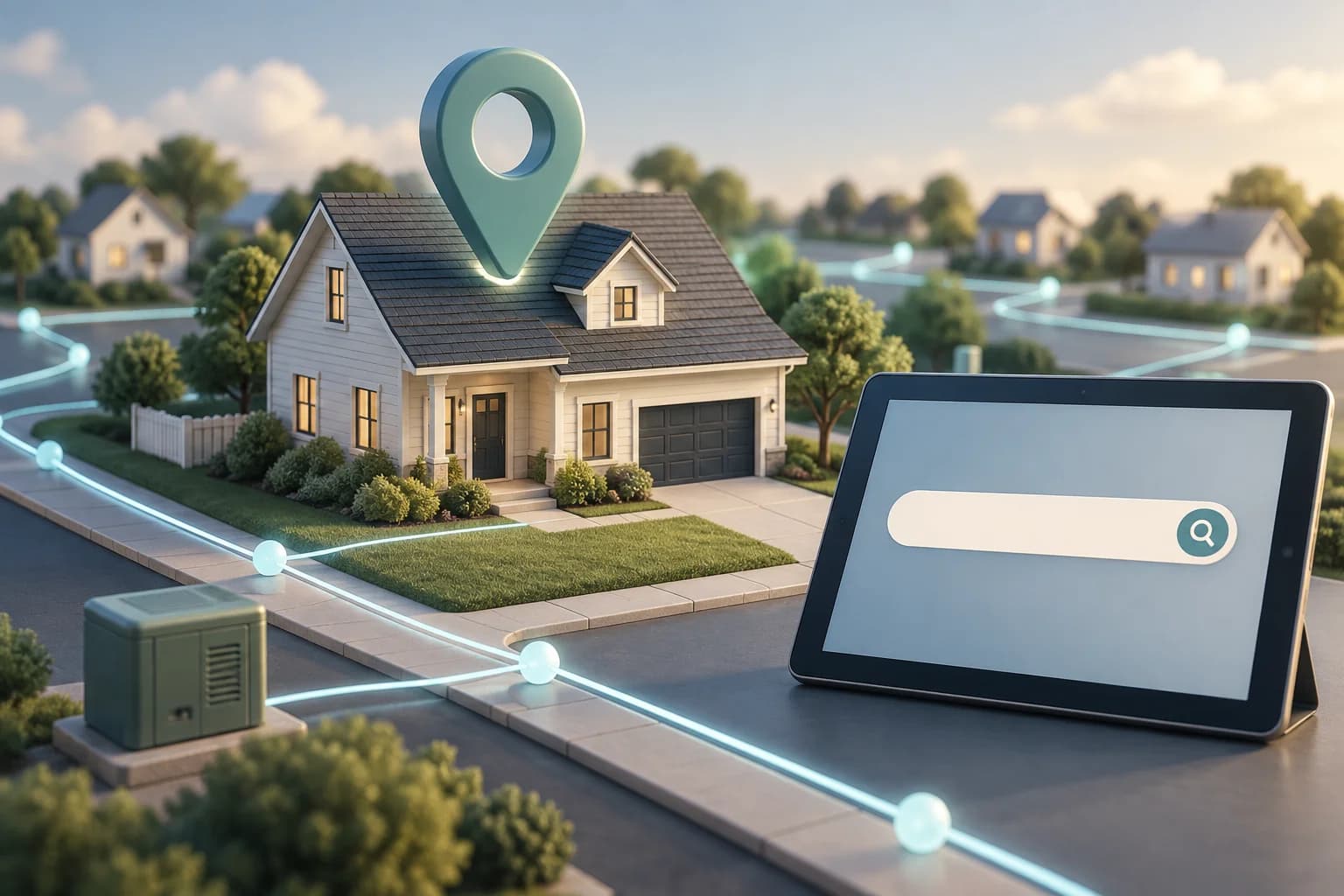
The fastest way to check availability is to visit the Dish Internet website and enter your service address. The system checks real-time capacity in the Starlink cell covering your location. Possible results include:
- Available Now: You can order immediately. Equipment ships within 1–2 weeks.
- Waitlist: Your area has reached capacity. You will be notified when a spot opens. Typical wait is 1–6 months in suburban areas.
- Coming Soon: Starlink is expanding to your area. No firm date given.
If Dish Internet shows a waitlist for your address, consider checking T-Mobile 5G Home Internet or HughesNet as interim alternatives.
Dish Internet vs. Competitors by Coverage Area
| Provider | Coverage Type | States Available | Rural Coverage | Best For |
|---|---|---|---|---|
| Dish Internet (Starlink) | LEO Satellite | All 50 | Excellent | Rural, remote areas |
| Xfinity | Cable | 40 | Limited | Suburban/urban |
| AT&T Fiber | Fiber | 21 | Very limited | Cities served by AT&T |
| Spectrum | Cable | 41 | Moderate | Wide suburban reach |
| HughesNet | GEO Satellite | All 50 | Excellent | Budget satellite option |
| Viasat | GEO Satellite | All 50 | Excellent | Higher-speed satellite |
Installation Process and Timeline
Dish Internet uses a self-install model. After ordering, your kit arrives in 1–2 weeks and includes the Starlink dish, router, cables, and mounting hardware. Installation takes 30–60 minutes for most homeowners. The dish needs a clear view of the sky with less than 1% obstruction. Ideal mounting locations include rooftops, eaves, or ground-mounted poles in open areas.
For customers who prefer professional installation, Dish offers a referral to certified installers for $200–350 depending on complexity. This is recommended for multi-story homes, slate roofs, or locations requiring long cable runs.
Dish Internet Availability: Frequently Asked Questions
Is Dish Internet available in my area?
Dish Internet via Starlink is available in most of the contiguous United States. However, high-demand areas (especially suburbs near major cities) may have a waitlist. Enter your address on the InternetProviders.ai home page to check real-time availability for your exact location.
Can I use Dish Internet while traveling or in an RV?
Yes. Dish Internet offers a portable/roaming option. For an additional $25/mo, you can enable roaming, which lets you use the dish anywhere with Starlink coverage. Performance may vary by location, and roaming traffic is deprioritized behind residential users in that cell.
How long is the Dish Internet waitlist?
Wait times range from immediate availability to 6+ months. Rural areas with low population density typically have no wait. Suburban areas near major metros may have waits of 1–6 months. Dense urban cores where demand far exceeds satellite capacity may have the longest waits.
Does Dish Internet require a contract?
No. Dish Internet is contract-free. You can cancel at any time without early termination fees. However, the Starlink hardware costs $599 upfront (or $2,500 for the high-performance dish). If you cancel within the first 30 days, you can return the equipment for a full refund.
Should You Choose Dish Internet Based on Availability?
If you live in a rural area with no cable or fiber options, Dish Internet is likely your best broadband choice in 2026. Its Starlink-powered service delivers 50–250 Mbps with sub-50ms latency—a massive improvement over traditional satellite providers like HughesNet and Viasat. For suburban residents who already have access to cable or fiber, those wired options will typically offer better speed, lower latency, and lower monthly costs. Use our address lookup tool to see every provider available at your location and compare plans side by side.
Understanding Dish Network's Internet Service Options
It is important to clarify the distinction between Dish Network's satellite TV service and its internet offerings. Dish Network is primarily known as a satellite television provider. For internet service, Dish has historically partnered with other providers or directed customers to HughesNet (which is now part of EchoStar, the same parent company as Dish).
Dish and HughesNet: The EchoStar Connection
Since EchoStar completed its acquisition of Dish Network in 2024, the company now controls both Dish TV and HughesNet satellite internet under one corporate umbrella. This means Dish customers looking for bundled internet service are typically offered HughesNet plans. HughesNet provides geostationary satellite internet with the following plan tiers:
| Plan | Speed | Data | Price | Contract |
|---|---|---|---|---|
| Select | 50 Mbps | 100 GB | $50/mo | 2 years |
| Elite | 100 Mbps | 200 GB | $75/mo | 2 years |
| Fusion | 100 Mbps | 200 GB | $95/mo | 2 years |
HughesNet is available across all 50 U.S. states, making it accessible virtually anywhere with a clear view of the southern sky. However, as geostationary satellite internet, it comes with inherent limitations including higher latency (typically 600+ ms) compared to terrestrial broadband options.
Dish Network TV Availability vs. Internet Availability
Dish Network's satellite TV service is available across all 50 states and requires only a clear view of the southern sky for the satellite dish. However, internet availability depends on which service you use:
- HughesNet (satellite) — Available nationwide in all 50 states. Best for rural areas without cable or fiber alternatives.
- Dish Fiber (select markets) — Dish has been building out limited fiber infrastructure in some areas. Availability is extremely limited and not widely advertised.
- Partner providers — In many areas, Dish offers bundle discounts when you pair Dish TV with internet from a local provider such as AT&T, Spectrum, or CenturyLink.
Alternatives to Dish-Bundled Internet
If you are a Dish TV subscriber looking for better internet than satellite can provide, consider these options that are commonly available alongside Dish service:
- T-Mobile Home Internet ($50/mo) — 5G fixed wireless available in many areas. No contracts, no data caps, and significantly lower latency than satellite. Works well for streaming Dish content through the Hopper or Joey receivers connected via WiFi.
- Starlink ($120/mo) — Low-earth orbit satellite internet with latency around 25-50 ms (vs. 600+ ms for HughesNet). Higher upfront equipment cost ($599) but dramatically better performance for rural users.
- Local fiber or cable — If available at your address, terrestrial broadband from providers like AT&T Fiber, Spectrum, or Xfinity will outperform any satellite internet option in both speed and latency.
Frequently Asked Questions
Does Dish Network offer its own internet service?
Dish Network does not operate a widespread standalone internet service. Through its parent company EchoStar, Dish customers are typically directed to HughesNet for satellite internet. In select markets, Dish may offer fiber internet, but this is extremely limited. For most customers, Dish facilitates internet bundles through partner providers.
Can I bundle Dish TV with internet from another provider?
Yes. Dish offers bundle promotions when you combine Dish TV with internet from participating providers. Common bundle partners include AT&T, CenturyLink, and regional cable companies. Contact Dish directly or check their website for current bundle offers available at your address.
Is HughesNet good enough for streaming Dish content?
HughesNet's 50-100 Mbps speeds can technically support streaming in standard and high definition. However, the data caps (100-200 GB) can be limiting for heavy streamers. Streaming 4K content uses roughly 7 GB per hour, so a 100 GB cap could be consumed in about 14 hours of 4K viewing. For heavy streaming, consider a plan with a higher data allowance or an unlimited terrestrial alternative.
Is Dish Network available in my area?
Dish Network satellite TV is available virtually everywhere in the United States that has a clear view of the southern sky. Apartment and condo dwellers may need landlord permission for dish installation. Internet availability varies — enter your address on Dish's website to see which internet options are offered at your location.
What is the cheapest way to get Dish TV and internet together?
The most affordable Dish TV + internet combination is typically Dish America's Top 120 ($74.99/mo) paired with T-Mobile Home Internet ($50/mo) for a combined cost around $125/mo. This avoids the high latency of satellite internet and provides unlimited data for streaming.
For more details on satellite internet options, see our HughesNet plans guide or Starlink review. To explore non-satellite alternatives, check our internet selection guide or T-Mobile Home Internet page.