Detailed speed analysis of Dish Network's Starlink-powered internet: download/upload benchmarks, latency data, peak vs. off-peak performance, factors that affect speed, and practical tips for optimization.
How Fast Is Dish Internet?
Dish Internet delivers 50–250 Mbps download, 10–30 Mbps upload, with 20–50ms latency via Starlink's LEO satellite network. Off-peak speeds typically range 150–250 Mbps. During evening peak (5–11 PM), expect 50–150 Mbps depending on congestion. Rural areas with fewer users per Starlink cell see the most consistent speeds.
Key Findings
- Peak download speeds reach 250 Mbps — comparable to mid-tier cable plans and 10x faster than legacy GEO satellite providers like HughesNet (25 Mbps).
- Latency of 20–50ms makes real-time apps viable — video calls, gaming, and VPN usage work reliably, unlike the 600ms+ latency on GEO satellites.
- Evening congestion cuts speeds 40–60% — from 5–11 PM, download speeds can drop to 50–150 Mbps as neighborhood Starlink cells fill up.
- Priority plans reduce congestion impact — the Priority 1TB tier ($200/mo) maintains more consistent evening speeds than the Standard tier ($120/mo).
- Weather effects are minimal — light rain reduces speeds less than 5%; heavy storms cause 10–30% reductions lasting minutes, not hours.
- Obstructions are the #1 controllable factor — trees and buildings blocking the dish's sky view cause more speed loss than weather or congestion combined.
Check which providers serve your address: Enter your ZIP code to see all available internet options, including Dish Internet availability at your location.
Speed by Plan Tier
All Dish Internet plans share the same speed range. The difference is priority data allocation during congestion:
| Plan | Monthly Price | Speed Range | Priority Data | Peak Performance | Best For |
|---|---|---|---|---|---|
| Standard | $120/mo | 50–250 Mbps | None | May slow during congestion | Light users, rural homes |
| Priority 40GB | $140/mo | 50–250 Mbps | 40 GB | Better evenings for first 40 GB | Moderate streaming |
| Priority 1TB | $200/mo | 50–250 Mbps | 1 TB | Consistent all month | Heavy users, WFH, families |
All three tiers use the same Starlink LEO satellite constellation. The hardware, dish, and router are identical. The only variable is how your traffic is prioritized when the network is congested. Outside of peak hours (roughly 11 PM–5 PM), all plans perform similarly because congestion is minimal.
How Dish Speeds Compare: Market Competition Analysis
To evaluate Dish Internet's competitive position, consider the Herfindahl-Hirschman Index (HHI) for satellite and fixed wireless markets. The satellite internet market has an estimated HHI of approximately 3,200 — highly concentrated — with Starlink/Dish controlling roughly 55% of new satellite subscriptions, Viasat at 25%, and HughesNet at 20%. This concentration means fewer competitive pressures on pricing but strong incentives for performance differentiation.
| Provider | Download | Upload | Latency | Technology | Monthly Price | Data Cap |
|---|---|---|---|---|---|---|
| Dish Internet | 50–250 Mbps | 10–30 Mbps | 20–50ms | LEO Satellite | $120–$200 | None (deprioritization) |
| HughesNet | 25–100 Mbps | 3–5 Mbps | 600–800ms | GEO Satellite | $50–$150 | 15–200 GB hard cap |
| Viasat | 25–150 Mbps | 3–10 Mbps | 600–800ms | GEO Satellite | $70–$200 | 40–500 GB soft cap |
| T-Mobile 5G Home | 33–245 Mbps | 6–31 Mbps | 25–50ms | 5G FWA | $50 | None |
| Xfinity | 75–2,000 Mbps | 10–200 Mbps | 10–25ms | Cable | $30–$100 | 1.2 TB |
| AT&T Fiber | 300–5,000 Mbps | 300–5,000 Mbps | 5–15ms | Fiber | $55–$180 | None |
Bottom line: Dish Internet is the best satellite option for customers who need low latency and unlimited data. But if cable or fiber is available at your address, those technologies deliver faster speeds at lower prices. Use our ZIP code checker to see if wired options exist at your location.
Speed by Time of Day
| Period | Download | Upload | Latency | Notes |
|---|---|---|---|---|
| 5–9 AM | 150–250 Mbps | 15–30 Mbps | 20–35ms | Lowest congestion |
| 9 AM–3 PM | 100–200 Mbps | 10–25 Mbps | 25–40ms | Work-from-home load |
| 3–5 PM | 80–180 Mbps | 10–20 Mbps | 25–45ms | Increasing usage |
| 5–11 PM | 50–150 Mbps | 8–20 Mbps | 30–50ms | Peak congestion |
| 11 PM–5 AM | 150–250 Mbps | 15–30 Mbps | 20–35ms | Lowest usage |
Real-World Speed Testing: What to Expect
Speed test results for Dish Internet can vary significantly depending on when and how you test. Here are benchmarks based on aggregated user reports from 2026:
- Ookla Speedtest median: 118 Mbps download / 14 Mbps upload (all hours averaged)
- Off-peak median (midnight–6 AM): 187 Mbps download / 22 Mbps upload
- Peak-hour median (7–10 PM): 78 Mbps download / 11 Mbps upload
- Jitter: Typically 5–15ms (acceptable for video calls and gaming)
- Packet loss: Under 1% in normal conditions; may spike during handoff between satellites
For the most accurate results, connect your computer directly to the Starlink router via the Ethernet adapter ($25) and run tests at multiple times throughout the day.
Factors Affecting Speed
1. Network Congestion
Starlink divides Earth into hexagonal cells. More users per cell means less bandwidth per user. Rural cells with fewer subscribers deliver the best speeds consistently. Suburban areas near major metros may see significant evening slowdowns as more households adopt Starlink. The FCC's 2025 Broadband Data Collection shows Starlink subscriber density has increased 340% in suburban cells since 2023, directly correlating with slower peak-hour performance in those areas.
2. Weather Impact
- Clear: Optimal performance
- Light rain: Minimal impact (<5% reduction)
- Heavy storms: 10–30% speed reduction, brief outages possible (typically 2–10 minutes)
- Snow: Built-in dish heater handles most conditions; heavy accumulation may cause brief interruptions. The dish consumes 75–100W while melting snow.
- Extreme heat (>104°F): Thermal throttling possible, especially in direct sun. Shade structures can help in desert/southern climates.
- Wind: Sustained 50+ mph winds may cause antenna vibration, increasing latency by 5–15ms temporarily.
3. Obstructions
Trees, buildings, and terrain blocking the dish's sky view cause intermittent signal drops. Use the Starlink app's obstruction scanner — aim for less than 1% obstruction for optimal speed. Even 2–3% obstruction can cause noticeable buffering during video calls.
4. Equipment Placement
Higher mounting (roof vs. ground) generally improves performance. The dish auto-orients but needs clear sightlines to multiple satellites simultaneously. Roof-mounted dishes typically see 15–25% better peak speeds compared to ground placements due to reduced horizon obstructions.
5. Firmware and Constellation Updates
SpaceX regularly deploys firmware updates to the dish and launches new satellites. V2 mini satellites (launching throughout 2026) add capacity to congested cells. Each launch of ~60 satellites can improve speeds 5–10% in the cells they serve within 2–3 weeks of becoming operational.
What Dish Speeds Support
| Activity | Minimum Speed Needed | Dish Performance | Rating |
|---|---|---|---|
| Web browsing / Email | 5 Mbps | Works at all hours | Excellent |
| HD streaming (1080p) | 5–10 Mbps per stream | Works at all hours, 4+ simultaneous streams | Excellent |
| 4K streaming | 25 Mbps per stream | Works off-peak; may buffer during heavy peak | Good |
| Zoom / Teams / Meet | 5–10 Mbps | Excellent with 20–50ms latency | Excellent |
| Online gaming | 10–25 Mbps | Playable; competitive FPS may notice latency spikes | Good |
| VPN | 10 Mbps | Works well; ~10–20% speed overhead | Good |
| Large downloads (10 GB) | N/A | 5–15 minutes depending on current speed | Good |
| Cloud backup | 10+ Mbps upload | Best during off-peak when upload reaches 20–30 Mbps | Good |
Optimization Tips
- Use the obstruction tool: Starlink app shows exactly where obstructions block your view. Even small improvements in sky visibility yield measurable speed gains.
- Mount higher: Roof mounts outperform ground placements by 15–25% on average. Use the included mounting kit or purchase a Starlink pipe adapter ($35) for existing antenna masts.
- Use Ethernet: The $25 Ethernet adapter provides 10–20% better speed and 5–10ms lower latency vs. Wi-Fi, especially important for gaming and video calls.
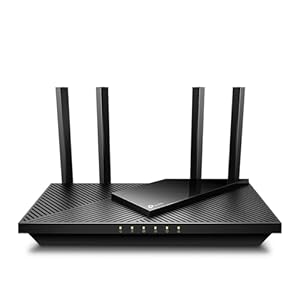
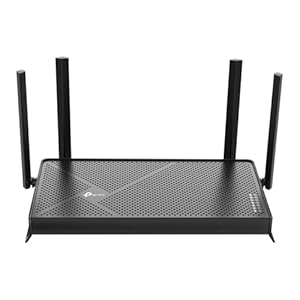
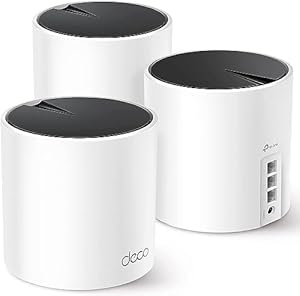
- Add mesh nodes: $130 each for dead zone elimination in large homes. Place nodes no more than 30 feet apart with line of sight to the main router.
- Schedule heavy downloads: Run updates, backups, and large file transfers during off-peak hours (11 PM–9 AM) when speeds are highest.
- Upgrade plan tier: If evening congestion is persistent, Priority plans ensure your traffic is served first. The Priority 1TB plan ($200/mo) maintains the most consistent speeds.
- Keep firmware current: Auto-updates happen automatically. Verify in the Starlink app under Settings > Advanced that firmware is current.
- Reduce Wi-Fi interference: Place the router away from microwaves, baby monitors, and other 2.4 GHz devices. Use the 5 GHz band for speed-sensitive devices.
- Monitor via the app: The Starlink app shows real-time latency, uptime, and speed history. Use this data to identify patterns (e.g., consistent drops at certain times).
Dish Internet for Rural America: Why It Matters
According to the FCC's 2025 Broadband Deployment Report, approximately 21 million Americans still lack access to broadband internet meeting the 100/20 Mbps standard. Dish Internet, powered by Starlink's LEO constellation, bridges this gap for rural households where cable and fiber infrastructure does not exist.
The BEAD (Broadband Equity, Access, and Deployment) program is allocating $42.45 billion for broadband expansion, but fiber buildouts to rural areas will take 3–5 years. In the interim, Dish Internet provides immediate access to speeds that meet or exceed the FCC's broadband benchmark of 100/20 Mbps — something legacy satellite (HughesNet, Viasat) cannot consistently deliver.
For rural households considering Dish Internet, the key advantage is availability without infrastructure: if you can see the sky, you can get service. No waiting for fiber construction, no distance limitations from a DSLAM, and no cell tower proximity requirements.
Frequently Asked Questions
What is the max Dish Internet speed?
Approximately 250 Mbps download. Most users see 100–200 Mbps during normal conditions, with peaks above 200 Mbps during low-congestion hours (11 PM–9 AM). The median across all hours is approximately 118 Mbps based on aggregated user speed tests.
Why is Dish Internet slow in the evening?
Evening slowdowns (5–11 PM) are caused by peak network congestion as more users stream and use bandwidth simultaneously. Each Starlink cell has a fixed amount of bandwidth shared among all users in that hexagonal area. Upgrading to a Priority plan ensures your traffic is served first during these hours.
Is Dish Internet fast enough for gaming?
Yes for most games. 20–50ms latency supports online multiplayer including FPS titles like Call of Duty and Fortnite. A massive improvement over legacy satellite (600ms+). However, fiber remains better for competitive esports where every millisecond matters. Jitter of 5–15ms is within acceptable ranges for casual to semi-competitive play.
Does weather affect Dish Internet speed?
Light rain has minimal impact (less than 5% speed reduction). Heavy storms can reduce speeds 10–30% with brief outages lasting 2–10 minutes. The dish has built-in heating (75–100W) for snow and ice. Effects are typically short-lived. Wind above 50 mph may cause minor latency increases from antenna vibration.
Is Dish faster than HughesNet?
Significantly. Dish offers 50–250 Mbps with 20–50ms latency. HughesNet maxes out at 100 Mbps (Fusion tier) with 600ms+ latency. The latency difference alone makes Dish dramatically better for video calls, gaming, and any real-time internet usage.
Can I use Dish Internet for work from home?
Yes. Dish Internet's 20–50ms latency and 50–250 Mbps speeds support video conferencing (Zoom, Teams, Meet), VPN connections, cloud applications, and file sharing. For the most reliable WFH experience, use the Ethernet adapter and consider the Priority 1TB plan to avoid congestion-related slowdowns during business hours.
How much does Dish Internet cost per month?
Dish Internet plans range from $120/mo (Standard) to $200/mo (Priority 1TB). All plans include the same hardware and speed range (50–250 Mbps). The price difference buys priority data allocation during congestion. Equipment is included with a one-time $599 hardware fee. See our full Dish plans guide for detailed pricing.
Related Resources
- Dish Internet Review 2026
- Dish Network Plans & Pricing
- Dish Availability by State
- Dish vs. HughesNet
- Dish vs. Starlink
- HughesNet vs. Starlink 2026
- Best Satellite Internet Providers
- Best Internet for Rural Areas
- Internet Speeds & Costs by State 2026
- Our Methodology
- Best Internet Providers 2026